Highlighter: highlight your facial features
A highlighter, also known as a face highlighter, is a complexion makeup product designed to catch the light and accentuate the face’s natural contours. Applied to the cheekbones, the bridge of the nose, the Cupid’s bow, or the inner corner of the eye, it instantly adds more radiance to the complexion. Powder, cream, liquid, or stick: highlighters come in a variety of textures and intensities, ranging from a subtle glow to a more iridescent finish. On MyOrigines, discover a selection of highlighters suited to different skin tones, skin types, and desired results.
The Main Types of Highlighters
| Texture |
Result |
Particularly suitable for |
| Powder highlighter |
Luminous to iridescent |
Normal to oily skin |
| Cream highlighter |
Blended and natural |
Normal to dry skin |
| Liquid highlighter |
Adjustable to intense glow |
All skin types depending on the formula |
| Highlighter stick |
Precise and quick application |
Touch-ups and on-the-go makeup |
Must-Have Highlighters
Chubby Stick Highlighter, Clinique
Clinique’s Chubby Stick Highlighter comes in a convenient stick format that’s easy to apply. Its creamy texture allows you to apply the product directly to the contours of your face and then blend it in with your fingers for a luminous, natural finish.
Buttermelt Highlighter Stick, NYX
NYX’s Buttermelt Highlighter Stick features a creamy, buildable texture that blends easily with makeup. It allows you to adjust the intensity of the glow depending on the desired result.
Dior Forever Glow Maximizer
Dior Forever Glow Maximizer is a liquid highlighter designed to add radiance to key areas of the face. Its fluid texture allows you to create a subtle or more intense glow depending on the amount applied.
Prisme Libre Highlighter, Givenchy
Givenchy’s Prisme Libre Highlighter is a powder highlighter that combines several shades to create a multidimensional luminous effect on the complexion.
Brightening CC Palette, By Terry
By Terry’s Brightening CC Palette combines several powders designed to add light and color to the face. It allows you to work on different areas of the complexion with a buildable finish.
Areas of the face to highlight
Highlighter is primarily applied to areas naturally exposed to light. The tops of the cheekbones remain the most common spot for creating a lifted, luminous effect. A small touch can also be applied to the bridge of the nose, the Cupid’s bow, under the brow bone, or in the inner corner of the eye. It’s best to start with a small amount of product and gradually build up the intensity.
Highlighter by Skin Type
Dry skin: Cream, stick, or liquid formulas generally provide a more blended result and minimize the powdery effect.
Oily skin: A powder highlighter may be easier to work with, especially when the complexion is already mattified.
Mature skin: opt for fine textures and subtle pearlescent shades. A very glittery finish can visually accentuate certain texture irregularities.
Normal skin: any texture can work. The choice depends mainly on the intensity and finish you’re looking for
FAQ: Everything you need to know about highlighters
What’s the difference between a highlighter and an illuminator?
There isn’t really one: “highlighter,” “enlumineur,” and “illuminator” generally refer to the same type of product designed to add light to certain areas of the face.
Where should you apply highlighter?
Apply it mainly to the tops of your cheekbones. You can also add a small amount to the bridge of your nose, your Cupid’s bow, under your eyebrows, or in the inner corners of your eyes.
Should you apply highlighter before or after blush?
It’s generally applied after blush and bronzer to precisely highlight the contours of the face. With cream formulas, however, the order can be adjusted to help the products blend more seamlessly.
Which highlighter should you choose for fair skin?
Light champagne, pink, or pearlescent shades generally work well, as long as they aren’t too dark compared to your skin tone.
Which highlighter should you choose for dark skin?
Golden, bronze, or copper shades generally create a more harmonious look on darker skin tones.
Which highlighter should you choose for mature skin?
Opt for a fine texture with a satiny sheen rather than large glitter particles that can accentuate skin texture irregularities.
What’s the difference between a powder highlighter and a liquid highlighter?
Powder offers a result that’s easy to build up and blends well over a powder foundation. Liquid blends more seamlessly with the skin and allows you to achieve a fresher or more intense effect depending on how you apply it.
Can you use a highlighter without foundation?
Yes. A small amount of highlighter can be applied directly to moisturized skin to create a natural, luminous effect without heavy makeup.
How can you avoid a look that’s too glittery?
Choose a highlighter with fine shimmer or a satin finish, use a small amount of product, and carefully blend the edges. The light should blend into the skin rather than create a very shiny patch.
Can you mix a liquid highlighter with foundation?
Yes, when the formula allows it. A small amount mixed with foundation can create a more luminous finish across the entire face. Start with very little product to maintain a natural look.
Highlighters on MyOrigines
On MyOrigines, discover a selection of highlighters in powder, cream, liquid, or stick form, available in various shades and intensities. Compare textures, finishes, and shades to choose a highlighter that suits your skin tone, skin type, and desired look—from a subtle glow to a more radiant makeup look. Complete your complexion routine with our primers and setting sprays, our foundations, our concealers and correctors, and our blushes.

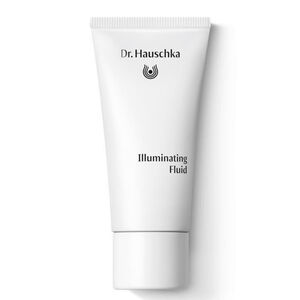 Dr.Hauschka Fluide ÉclatDr.HauschkaFluide Éclat
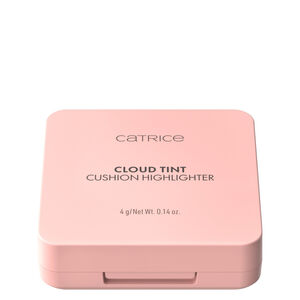 Catrice Cloud Tint Cushion...CatriceCloud Tint Cushion...

