Complexion Makeup: even out, correct, and illuminate the face
Complexion makeup helps even out the skin, correct certain imperfections, and enhance the face’s natural glow. Foundation, primer, concealer, powder, blush, bronzer, highlighter, or setting spray: each product addresses a different need depending on skin type, the desired level of coverage, and the finish you’re looking for. On MyOrigines, discover a selection of complexion products suited to everything from the most natural routines to more elaborate makeup looks, featuring a variety of textures, shades, and finishes.
The Main Products for Complexion Makeup
Product
Primary Function
Result
Foundation
Prepare the skin
Smoother texture and longer-lasting wear
Foundation
Even out skin tone
Light to full coverage
Concealer / Corrector
Spot correction
Eye area and blemishes
Blush
Add color
Healthy glow
Bronzer
Warm up the complexion
Sun-kissed effect
Highlighter
Capture the light
Luminous Finish
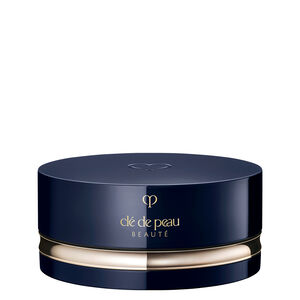
Powder or setting spray
Set makeup
Long-lasting wear
The primer to prepare the skin
The primer is applied before foundation to prepare the skin’s surface. Depending on the formula, it can visually smooth the skin’s texture, add radiance, mattify certain areas of the face, or improve makeup staying power.
The MAC Prep + Prime Skin is part of this preparation step and helps create a more even base before applying foundation.
Foundation to even out skin tone
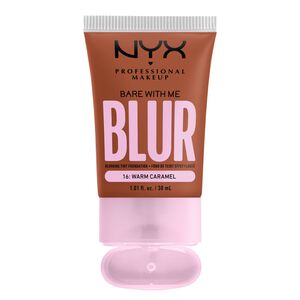
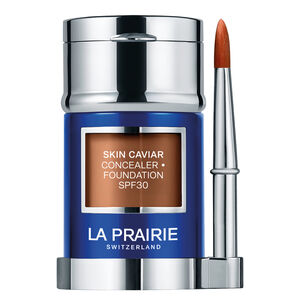
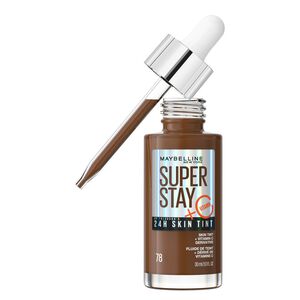
The foundation is the centerpiece of many makeup routines. It evens out skin tone and allows you to adjust coverage as needed.
Liquid formulas are particularly versatile, while powder or stick foundations offer different application techniques and levels of coverage. Estée Lauder’s Double Wear is particularly known for its long-lasting formula and matte finish.
BB and CC creams for a lighter finish
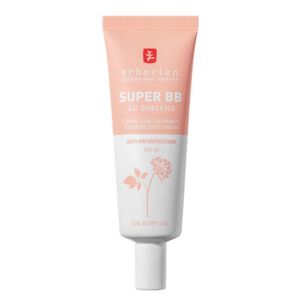
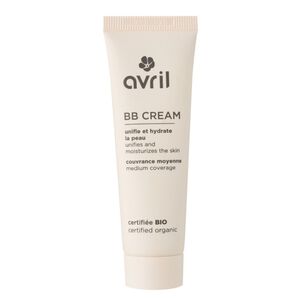
BB and CC creams generally offer lighter coverage than a traditional foundation. They may be a good option for those looking for a more natural finish while still slightly correcting certain imperfections.
The Erborian CC Red Correct SPF25 is designed to visually neutralize redness and even out the complexion. The SPF provides additional protection but does not necessarily replace dedicated sunscreen, depending on the amount applied.
Concealers and correctors to target dark areas
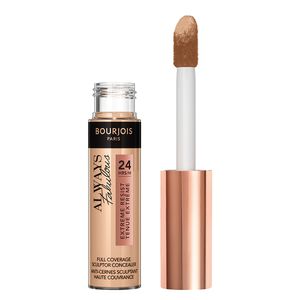
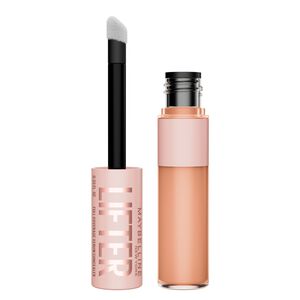
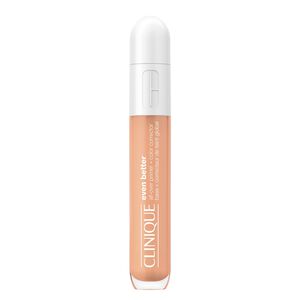
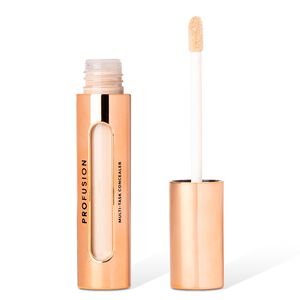
The concealeris used to enhance the eye area, while a corrector can also be applied to redness or localized blemishes.
The Touche Éclat by Yves Saint Laurent is primarily a highlighter pen designed to add radiance to certain areas of the face. For more coverage, the Dior Forever Skin Correct allows for more precise correction of dark circles and imperfections.
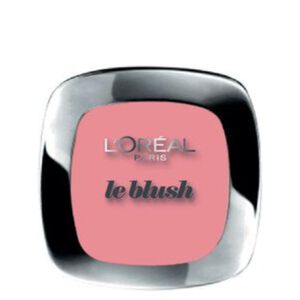
Blush to add color
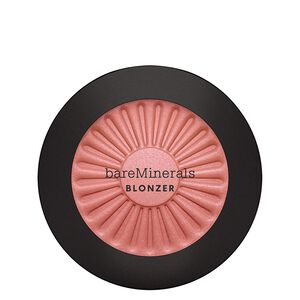
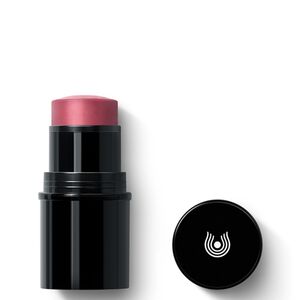
The blushbrings a fresh glow to the complexion and allows you to highlight the cheekbones with varying degrees of intensity. It comes in powder, cream, liquid, or stick form, depending on the desired finish.
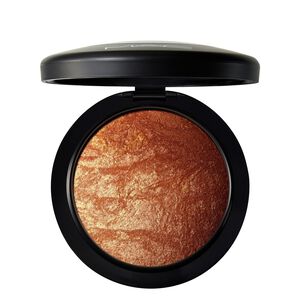
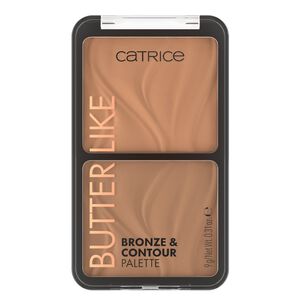
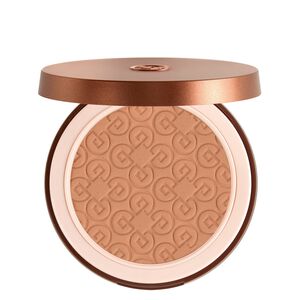
The bronzervisually warms the complexion and creates a healthy glow. It is applied mainly to the areas of the face that are naturally exposed to light, such as the temples, the tops of the cheekbones, and the hairline. Guerlain’s Terracotta powder is an iconic product in this category.
Highlighter for controlling light
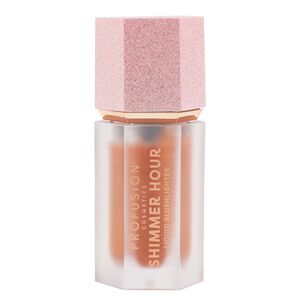
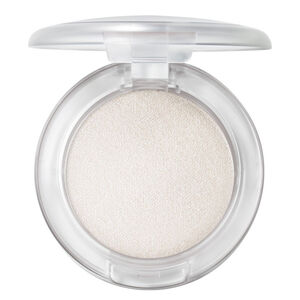
The highlighteris used to accentuate the parts of the face that naturally catch the light, particularly the tops of the cheekbones, the bridge of the nose, or the brow bone. The Prisme Libre Highlighter Powder by Givenchy adds a luminous finish to your complexion.
FAQ: Everything You Need to Know About Complexion Makeup
How to Choose the Right Foundation Shade?
Choose a shade close to your skin tone and suited to your undertone. Ideally, test it on your jawline to make sure it blends seamlessly with your face and neck.
How do you determine your skin’s undertone?
A warm skin undertone generally has golden or yellow hues, a cool skin undertone has more pink or blue hues, while a neutral skin undertone falls somewhere in between. It’s important to know your undertone to choose the right foundation.
What is the difference between foundation, BB cream, and CC cream?
Foundation is primarily designed to even out skin tone with varying levels of coverage. BB creams generally combine light coverage with skincare benefits, while CC creams are more focused on visually correcting specific skin tones.
In what order should you apply blush, bronzer, and highlighter?
There’s no single rule, but bronzer is often applied to warm up the complexion, followed by blush on the cheekbones, and finally highlighter on areas to illuminate.
What’s the difference between bronzer and contouring?
Bronzer mainly adds warmth and a sun-kissed effect. Contouring uses more neutral or cool shades to visually create more shadow and structure.
How can you make your foundation last longer?
Prepare your skin with appropriate skincare products, apply makeup in thin layers, and then set the necessary areas with powder or a setting spray. Choosing long-wear formulas can also help.
Should you use both powder and a setting spray?
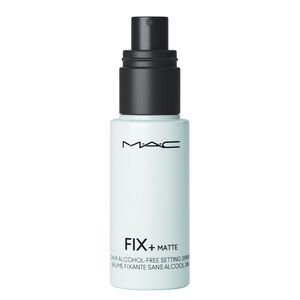
Not necessarily. Powder is mainly useful for mattifying and setting certain areas, while a setting spray can help prolong wear or alter the finish. Both can be used together, but it’s not essential.
Does the SPF in makeup replace sunscreen?
Generally, no. The amount of foundation or CC cream applied is often insufficient to provide the indicated level of protection. The SPF in makeup should instead be considered a supplement to appropriate sunscreen.
Complexion Makeup on MyOrigines
On MyOrigines, discover a complete selection of complexion products: primers, foundations, BB and CC creams, concealers, blushes, bronzing powder, highlighters, powders, and setting sprays. Explore our categories one by one to achieve the perfect complexion, and find your products at the best prices.

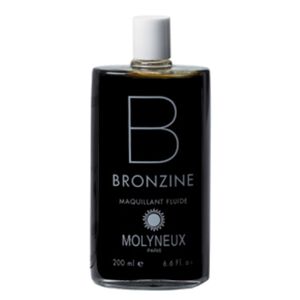 Molyneux BronzineMolyneuxBronzine
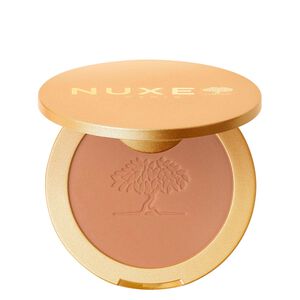 Nuxe Prodigieux®NuxeProdigieux®
 Catrice Holiday Skin Luminous...CatriceHoliday Skin Luminous...
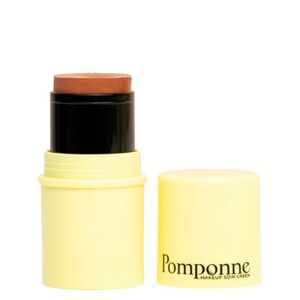 Pomponne Fantastick Le BronzerPomponneFantastick Le Bronzer
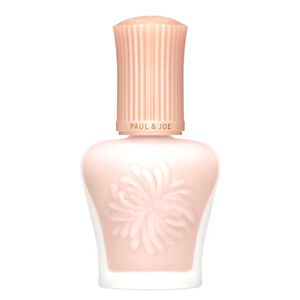 Paul & Joe Base de Maquillage...Paul & JoeBase de Maquillage...
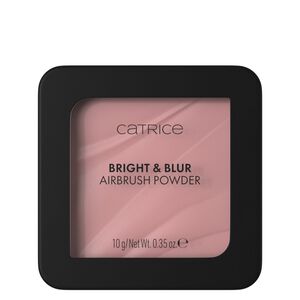 Catrice Bright&BlurCatriceBright&Blur
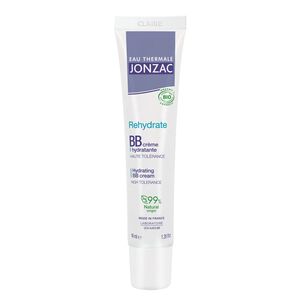 Eau Thermale Jonzac RehydrateEau Thermale JonzacRehydrate
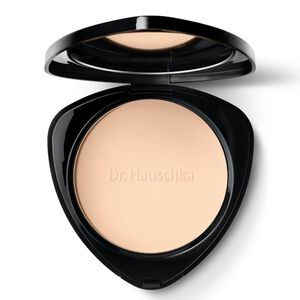 Dr.Hauschka Compact PowderDr.HauschkaCompact Powder