Face Serums and Boosters: Target Your Skin’s Needs with Concentrated Active Ingredients
A facial serum is a concentrated treatment that easily integrates into a beauty routine to address a specific need: hydration, radiance, blemishes, dark spots, wrinkles, or loss of firmness. Its often lightweight texture allows it to be layered under a cream without weighing down the skin. Boosters follow the same principle, with formulas that are sometimes even more targeted or designed to complement another skincare product. Hyaluronic acid, niacinamide, vitamin C, retinol, peptides, or exfoliating acids: the choice depends primarily on your skin type and your desired results. On MyOrigines, discover a selection of serums and boosters to build a routine tailored to your skin and its changing needs.
The Main Types of Facial Serums
| Serum Type |
Common Active Ingredients |
Purpose |
| Moisturizer |
Hyaluronic acid, glycerin, panthenol |
Hydrate and soothe |
| Radiance |
Vitamin C, niacinamide |
Visually even out and brighten |
| Anti-blemish |
Salicylic acid, niacinamide, acids |
Targets pores, breakouts, and uneven skin texture |
| Anti-aging |
Retinol, peptides, hyaluronic acid |
Targeting wrinkles, firmness, and skin texture |
| Dark spot correction |
Vitamin C, niacinamide, skin-correcting active ingredients |
Visually reduce pigmentation irregularities |
Hydrating serums to enhance skin comfort
Hydrating serums are often formulated with hyaluronic acid, glycerin, or other humectants capable of retaining water in the skin’s outer layers. They are suitable for many skin types, including combination or oily skin, which may lack water without necessarily lacking lipids.
The Avène Hyaluron Activ B3 Serum combines hyaluronic acid and vitamin B3 in a formula designed to hydrate and visually smooth the skin. Its lightweight texture allows it to be used before a moisturizer, in the morning or at night, depending on your routine.
The serum Hydra-Essentiel Bi-Serum by Clarins combines an aqueous phase and a lipid phase to enhance the skin’s hydration and comfort. This type of dual-phase serum can be particularly beneficial when you’re looking for both a lightweight feel and suppleness in your skincare routine.
Serums for Blemish-Prone Skin
Serums designed for blemish-prone skin often contain keratolytic or sebum-regulating active ingredients such as salicylic acid, certain exfoliating acids, or niacinamide. They can help visually improve skin texture and minimize the appearance of blemishes, but should be introduced gradually, especially on sensitive skin.
The La Roche-Posay Effaclar Serum is designed for blemish-prone skin and combines several exfoliating active ingredients, including salicylic acid, depending on the formula. It’s best to incorporate it gradually into your routine and increase sun protection during the day when using exfoliating active ingredients.
Anti-aging serums for wrinkles and firmness
Anti-aging serums generally target several areas: wrinkles, skin texture, hydration, firmness, or radiance. They may contain peptides, hyaluronic acid, antioxidants, or retinol, depending on the formula. The choice depends on your skin’s tolerance level and the active ingredients already included in your routine.
The night serum Estée Lauder’s Advanced Night Repair is a night serum focused on hydration and the appearance of signs of aging. Its formula contains hyaluronic acid and various active ingredients—including peptides, depending on the version—to complement a skincare routine designed for mature skin or for those seeking greater comfort and a smoother complexion.
Soothing serums with centella
Centella asiatica is particularly popular in serums designed for sensitive or uncomfortable skin. It is used for its soothing properties and its role in routines aimed at supporting skin comfort. This is the case with the SKIN1004 Centella Hydrating Serum, which follows this approach with a formula centered on Centella asiatica and a lightweight texture. This type of serum can easily be incorporated into a simple routine when the main goal is to soothe and hydrate the skin without adding too many active ingredients.
Dark Spot Correcting and Radiance-Boosting Serums
Dark spot correcting serums aim to gradually improve skin tone evenness. They may contain vitamin C, niacinamide, or other active ingredients that target pigmentation irregularities. Daily sun protection is particularly important in this type of skincare routine to prevent the appearance or darkening of new dark spots. The SVR Clairial Serum is designed to visually correct various types of dark spots and improve skin tone evenness. Its formula combines several corrective and moisturizing active ingredients, including vitamin C derivatives and hyaluronic acid, depending on the product.
Serum and booster: two similar yet distinct skincare products
A serum is generally designed as a standalone skincare step, applied before moisturizer. The booster can be even more targeted and is sometimes used alone, under another skincare product, or mixed with a cream when the formula allows it. However, there is no strict regulatory definition distinguishing these two categories: the brand’s recommended usage instructions therefore remain the best guide.
Active Ingredients to Prioritize Based on Your Needs
For hydration, hyaluronic acid, glycerin, or panthenol are common choices. For radiance, vitamin C or niacinamide may be beneficial. For blemishes, salicylic acid can be helpful, while peptides or retinol are more commonly associated with anti-aging routines. It’s not necessary to use all these active ingredients at the same time.
The order of applying serum in your routine
Serum is generally applied to clean skin, after cleansing and, if desired, toning, and before moisturizer. A few drops are usually enough to cover the face and neck. Allow the serum to spread for a few moments before applying the next product; there’s no need to wait several minutes for it to be fully absorbed.
Using Serum in the Morning and Evening
A hydrating serum can generally be used in the morning and at night. Other active ingredients require more care: retinol is best used at night, while an antioxidant serum can be incorporated into your morning routine under sunscreen. Always follow the specific recommendations for each formula and adjust the frequency based on your skin’s tolerance.
Combining Multiple Serums
It’s possible to use multiple serums in the same routine, but it’s not essential. A routine that’s too complex can increase the risk of irritation or make it harder to identify a product your skin doesn’t tolerate well. To start, focus on one or two complementary products and introduce active ingredients gradually.
FAQ: Everything You Need to Know About Facial Serums and Boosters
What is a facial serum used for?
A serum targets a specific need thanks to a formula that’s often concentrated in active ingredients. Depending on its composition, it can address hydration, radiance, blemishes, dark spots, or signs of aging.
What’s the difference between a serum and a booster?
A serum is generally a standalone step in a skincare routine. A booster is often even more targeted and can sometimes be used alone or mixed with another product if the brand recommends it.
How do you apply a serum to your face?
Apply a few drops to clean skin, after cleansing and before applying moisturizer. Gently spread it over your face and neck without rubbing too hard.
Should you apply the serum before or after your moisturizer?
Serum is generally applied before moisturizer, as its texture is often lighter. The moisturizer then helps lock in hydration and minimize water loss.
Which serum should you choose for dry skin?
Opt for a hydrating serum containing hyaluronic acid, glycerin, or panthenol, then apply a cream that’s nourishing enough to lock in moisture.
Which serum should you choose for oily skin?
Those with oily skin can use a lightweight hydrating serum or a product containing niacinamide or salicylic acid, depending on their needs. Oily skin can also be dehydrated.
Which serum should you choose for blemishes?
Serums containing salicylic acid, niacinamide, or certain acids can help visually improve blemishes and skin texture. Introduce them gradually to minimize irritation.
Which serum should you choose for wrinkles?
Serums containing peptides, retinol, antioxidants, or hyaluronic acid can be incorporated into an anti-aging routine depending on your specific needs and skin tolerance.
Which serum should you choose for dark spots?
Serums with vitamin C, niacinamide, or corrective active ingredients can help gradually improve skin tone evenness. Always combine this routine with daily sun protection.
At what age should you start using a serum?
There is no universal minimum age. A serum can be used as soon as a specific need arises, such as hydration or treating blemishes. More potent active ingredients should be chosen based on the skin’s actual needs rather than age.
Can you use multiple serums in the same skincare routine?
Yes, provided the formulas are compatible and well-tolerated. It’s often best to start with a simple routine and gradually add a second serum if necessary.
Can you use a serum in the morning and at night?
It depends on the formula. Hydrating serums are generally suitable for both times of day, while certain active ingredients, such as retinol, are best reserved for the evening.
Should you apply a cream after a hyaluronic acid serum?
Yes, in most skincare routines. The serum provides humectants that attract and retain water, while the cream helps maintain that hydration and support the skin barrier.
How many drops of serum should you use?
A few drops are usually enough to cover the face and neck. Using more doesn’t necessarily make it more effective and can make the routine feel stickier or more uncomfortable.
Serums and Boosters on MyOrigines
On MyOrigines, discover a selection of facial serums and boosters tailored to different skin needs: hydration, radiance, anti-aging, blemishes, dark spots, or discomfort. Complete your routine with our day creams, our night creams and our face masks.

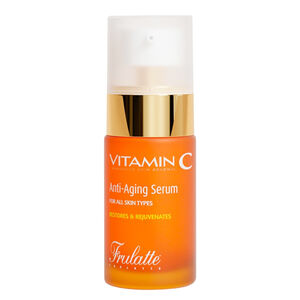 Arganicare Vitamine CArganicareVitamine C
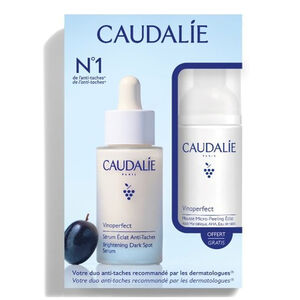 Caudalie VinoperfectCaudalieVinoperfect
![Prodigieuse [Hyalu] Boost Radiance Anti-Spot Serum](https://www.my-origines.com/dw/image/v2/BJRD_PRD/on/demandware.static/-/Sites-base-master/default/dw8b8ade5b/images/P010100Q_P.jpg?sw=300&sh=300&sm=fit "Prodigieuse [Hyalu] Boost") Nuxe Prodigieuse [Hyalu] BoostNuxeProdigieuse [Hyalu] Boost
Nuxe Prodigieuse [Hyalu] BoostNuxeProdigieuse [Hyalu] Boost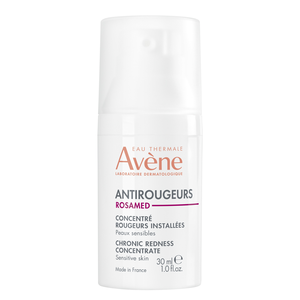 Avène RosamedAvèneRosamed
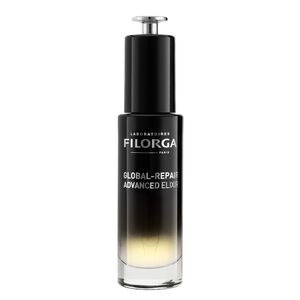 Filorga Global-Repair Advanced...FilorgaGlobal-Repair Advanced...
 Weleda Le Duo HydratationWeledaLe Duo Hydratation
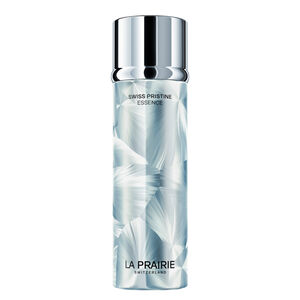 La Prairie Swiss PristineLa PrairieSwiss Pristine
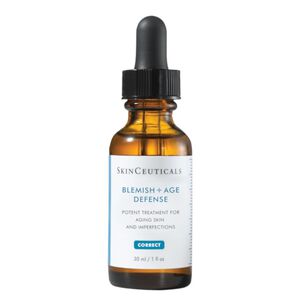 Skinceuticals Blemish + Age DefenseSkinceuticalsBlemish + Age Defense
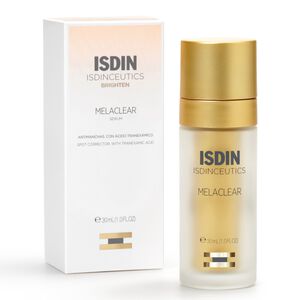 Isdin Isdinceutics MelaclearIsdinIsdinceutics Melaclear
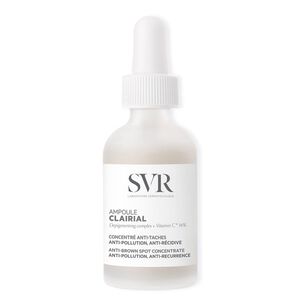 SVR ClairalSVRClairal
 Shiseido BenefianceShiseidoBenefiance
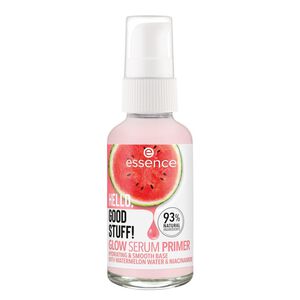 Essence Hello, Good Stuff! Glow...EssenceHello, Good Stuff! Glow...
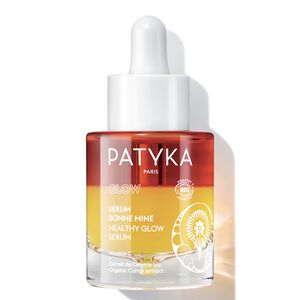 Patyka GlowPatykaGlow
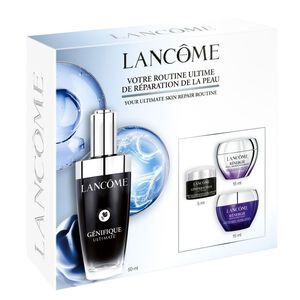 lancôme GénifiquelancômeGénifique
 Patyka Age Specific IntensifPatykaAge Specific Intensif
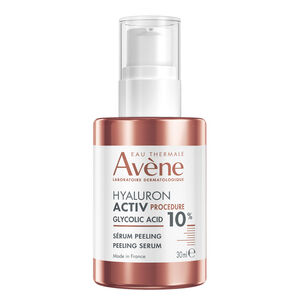 Avène Hyaluron Activ ProcedureAvèneHyaluron Activ Procedure
 Neutrogena Anti-Boutons+NeutrogenaAnti-Boutons+
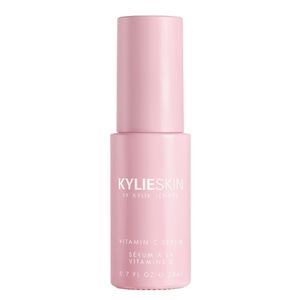 Kylie Skin Sérum à la Vitamine CKylie SkinSérum à la Vitamine C
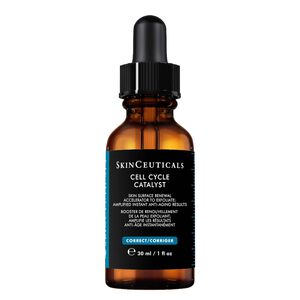 Skinceuticals Cell Cycle CatalystSkinceuticalsCell Cycle Catalyst
 Patyka Age Specific IntensifPatykaAge Specific Intensif
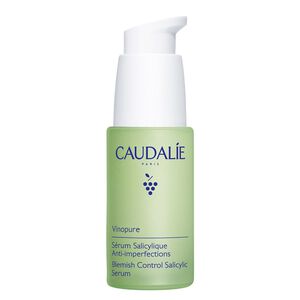 Caudalie VinopureCaudalieVinopure
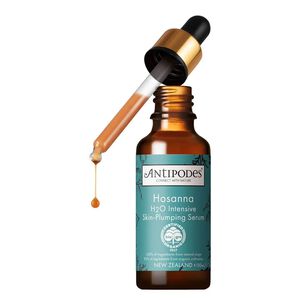 Antipodes Hosanna H2OAntipodesHosanna H2O
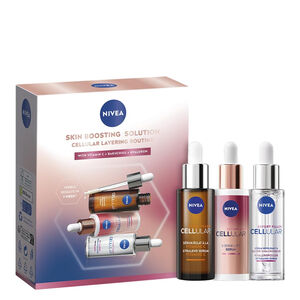 Nivea Cellular Expert FillerNiveaCellular Expert Filler
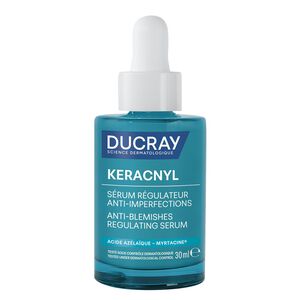 Ducray KeracnylDucrayKeracnyl
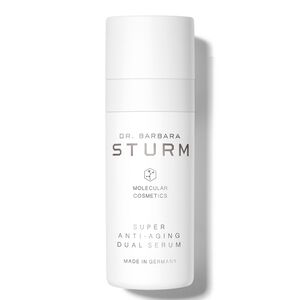 Dr. Barbara Sturm Super Anti-Aging Dual SerumDr. Barbara SturmSuper Anti-Aging Dual Serum