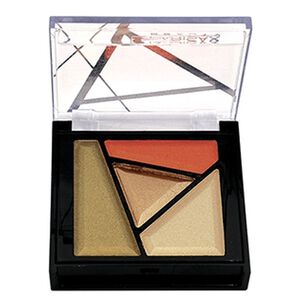
Eyeshadow palettes: multiple shades to create any look
An eyeshadow palette combines several complementary colors in a single product. It makes it easy to create gradients, natural makeup looks, smoky eyes, or brighter looks depending on the shades and finishes available. Whether compact or more generous in size, palettes can combine matte, satin, metallic, or glitter shades. They thus offer more possibilities than a single eyeshadow while making it easier to blend colors. On MyOrigines, discover a selection of palettes from leading brands such as Lancôme, Guerlain, and Yves Saint Laurent.
The Main Types of Eye Palettes
Palette Type
Shades
Ideal for
Nude palette
Beige, taupe, brown, soft pink
Natural, everyday makeup
Smoky palette
Brown, gray, black, plum
Intense Look and Evening Makeup
Luminous palette
Gold, bronze, champagne, pearlescent
Add sparkle to your eyes
Multicolored palette
Neutral and vibrant colors
Endless Combinations
Must-Have Eyeshadow Palettes
Hypnôse 5-Color Palette, Lancôme
Lancôme’s Hypnôse 5-Color Palette features five coordinating shades that allow you to create looks ranging from the most natural to the most intense. Its compact design makes it easy to blend the different colors to highlight the eyelid, the crease, the outer corner, or the lash line.
G Eyeshadows, Guerlain
Guerlain’s Ombres G offers four shades designed to be paired together. Depending on the color combinations, the palette can feature different finishes such as matte, satin, pearlescent, or metallic. This four-color format is ideal for both quick makeup applications and more detailed eye makeup.
Couture Mini Clutch, Yves Saint Laurent
Yves Saint Laurent’s Couture Mini Clutch is a compact palette featuring several coordinating eyeshadows. The various color combinations allow you to play with intensity, contrasts, and luminous effects. Its format is particularly convenient for having multiple colors in a single product, whether for daytime makeup or a more sophisticated look.
Choosing a Palette Based on Eye Color
Eye color can guide your choice of palette, though it isn’t a strict rule. Bronze, copper, or plum shades often create a beautiful contrast with green eyes, while warm, coppery tones can make blue eyes stand out. Brown or hazel eyes allow you to wear a wide variety of colors, from neutral shades to green, purple, or golden hues. Skin undertone and the desired look are also important.
Applying colors to create a gradient
For a balanced look, start with a light or medium shade on the upper eyelid. Next, add a slightly darker shade to the crease, then intensify the outer corner with the deepest shade. Blend each transition with a soft brush to avoid harsh lines. A shimmery eyeshadow can then be added to the center of the eyelid or the inner corner.
FAQ: Everything You Need to Know About Eyeshadow Palettes
How many eyeshadows are in a palette?
It depends on the size. Compact palettes often contain four or five shades, while larger palettes may have ten or more.
What eyeshadow texture should you choose in a palette?
Palettes can combine several textures. Powder eyeshadows are easy to blend and layer, while creamier textures often provide a more seamless and luminous finish. Some powder formulas also have a very creamy feel, which makes application easier and prevents the eyeshadow from looking dry on the eyelid.
Which palette should you choose for a natural makeup look?
A nude palette with shades of beige, taupe, light brown, or soft pink is particularly easy to use for everyday wear. A combination of matte and slightly satiny finishes allows you to vary the effects.
Which palette should you choose for a smoky eye?
Opt for a palette that includes several dark and medium shades, such as taupe, brown, gray, plum, or black. Having a light shade also makes blending easier.
Which palette should you choose based on your eye color?
You can play with contrasts rather than always going for tone-on-tone looks. Copper and bronze shades often highlight blue eyes, while plum and mauve shades contrast well with green eyes. Brown and hazel eyes can pull off a wide variety of shades.
What’s the difference between an eyeshadow palette and a single eyeshadow?
A single eyeshadow contains just one color, while a palette combines several shades designed to be used together. A palette is therefore more versatile for creating gradients and varying your makeup looks.
How do you use an eyeshadow palette?
Start with the lightest shades, then gradually build up the look with darker colors. Blend well between each shade to achieve a smooth gradient.
Can you mix matte and shimmery eyeshadows?
Yes. Matte shades help define the eyes, while satin, metallic, or shimmery textures add luminosity. Combining them creates more dimension.
How can you prevent eyeshadow from falling under your eyes?
Pick up a small amount of product and lightly tap the brush before applying. For very shimmery or glittery textures, press the eyeshadow onto the eyelid rather than sweeping it on.
Can you dampen eyeshadow?
Only if the formula is designed for wet use. Not all eyeshadows are formulated to be wet: check the manufacturer’s instructions to avoid damaging the product.
How long should you keep an eyeshadow palette?
Refer to the PAO symbol on the packaging, for example, 12M or 24M after opening. Replace the palette sooner if the smell, texture, or appearance of the eyeshadows changes.
Why do some eyeshadows have a creamier texture than others?
It depends on their formula. Some powder eyeshadows contain more binding agents or emollients, which give them a softer, almost creamy feel. This texture can help the eyeshadow adhere to the eyelid and make blending easier.
Eyeshadow Palettes on MyOrigines
On MyOrigines, discover a selection of eyeshadow palettes in nude, luminous, colorful, or more intense shades. Compare the number of colors, finishes, and sizes to choose a palette that suits your makeup style. Complete your eye makeup with our selection of mascaras, eyeliners and pencils and kohls.
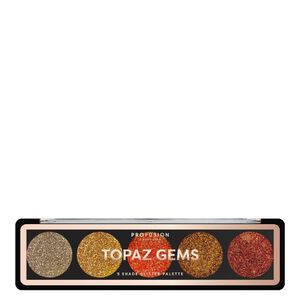 Profusion Cosmetics Paillettes TopazProfusion CosmeticsPaillettes Topaz
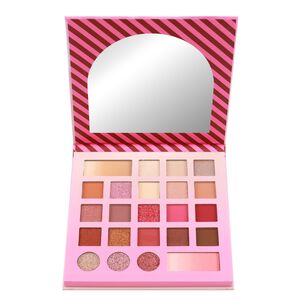 Profusion Cosmetics Candy KissesProfusion CosmeticsCandy Kisses
 Profusion Cosmetics SpectrumProfusion CosmeticsSpectrum
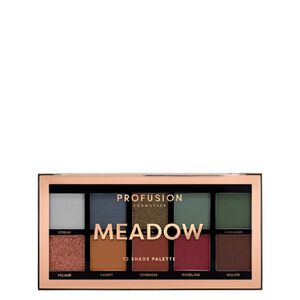 Profusion Cosmetics Palette MeadowProfusion CosmeticsPalette Meadow
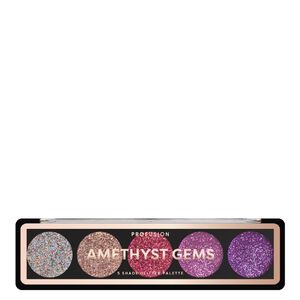 Profusion Cosmetics Amethyst GemsProfusion CosmeticsAmethyst Gems
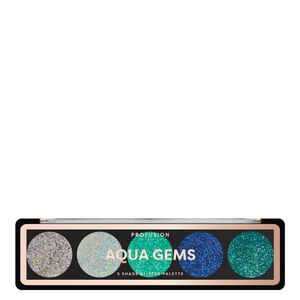 Profusion Cosmetics Aqua GemsProfusion CosmeticsAqua Gems
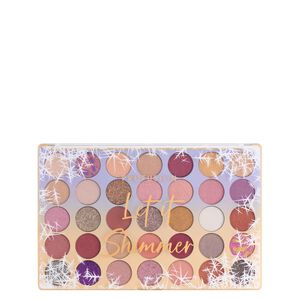 Profusion Cosmetics Let It ShimmerProfusion CosmeticsLet It Shimmer
 Avril AccessoireAvrilAccessoire
 Bourjois 01 Coup de CoeurBourjois01 Coup de Coeur
 Catrice The Deep VelvetCatriceThe Deep Velvet
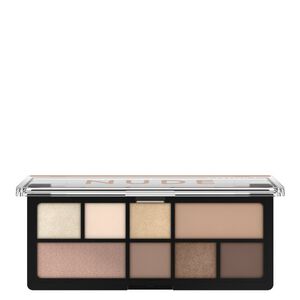 Catrice The Pure Nude Eyeshadow...CatriceThe Pure Nude Eyeshadow...
 Bourjois Coup de FoudreBourjoisCoup de Foudre
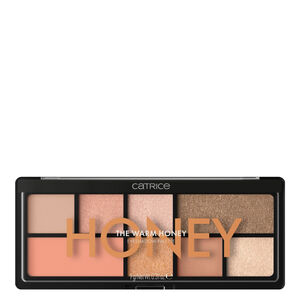 Catrice Warm Honey Eyeshadow Palette...CatriceWarm Honey Eyeshadow Palette...
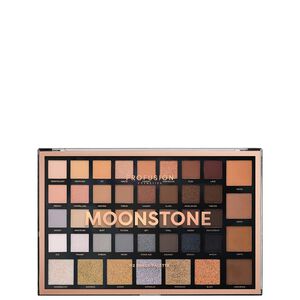 Profusion Cosmetics MoonstoneProfusion CosmeticsMoonstone
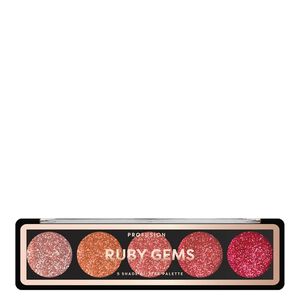 Profusion Cosmetics Paillettes RubyProfusion CosmeticsPaillettes Ruby
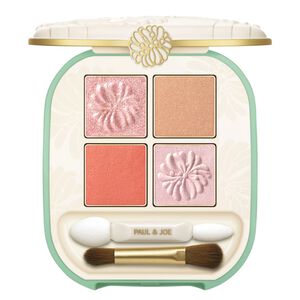 Paul & Joe TressePaul & JoeTresse
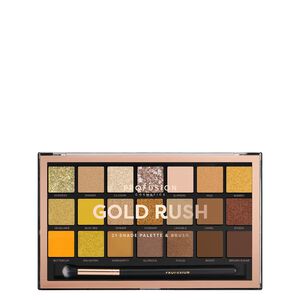 Profusion Cosmetics Gold RushProfusion CosmeticsGold Rush
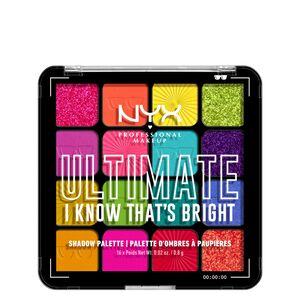 Nyx Professional Makeup UltimateNyx Professional MakeupUltimate
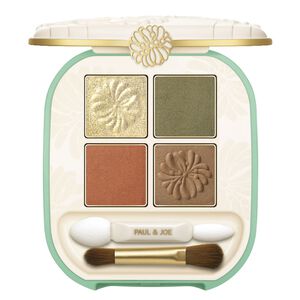 Paul & Joe BookshelfPaul & JoeBookshelf
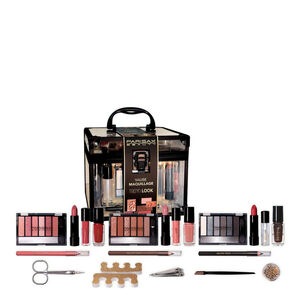 Parisax Valise Trend LookParisaxValise Trend Look
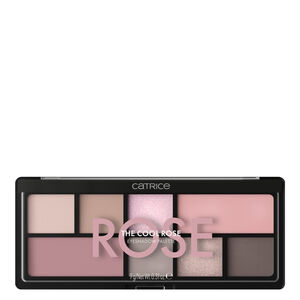 Catrice The Cool Rose Eyeshadow...CatriceThe Cool Rose Eyeshadow...
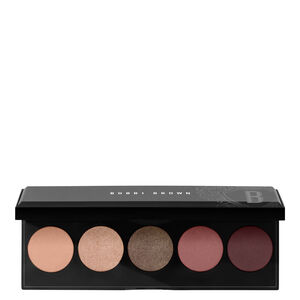 Bobbi Brown Nude Eyeshadow PaletteBobbi BrownNude Eyeshadow Palette
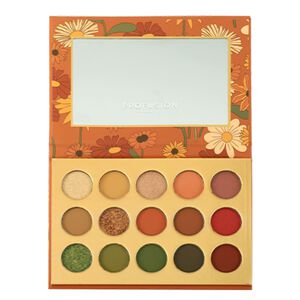 Profusion Cosmetics Pumpkin SpiceProfusion CosmeticsPumpkin Spice
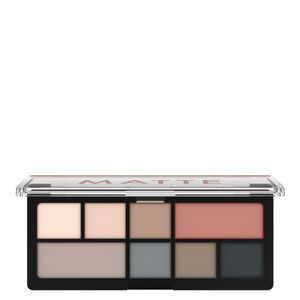 Catrice The Dusty Matte Eyeshadow...CatriceThe Dusty Matte Eyeshadow...