The body scrub is an exfoliating treatment that removes dead skin cells from the skin’s surface. When used regularly, it helps make the skin’s texture smoother, softer, and more even.
Sugar, sea salts, fruit pits, plant-based powders, or exfoliating particles: these formulas come in a variety of textures, sometimes enriched with oils or nourishing agents to combine exfoliation with comfort.
On MyOrigines, discover a selection of body scrubs and body scrubs suited to different skin types, with rich, creamy, or oily textures to use in the shower or bath.
The Different Types of Body Scrubs
Type of Scrub
Texture
Main Need
Sugar Scrub
Melting Grains
Gentle, Sensory Exfoliation
Salt Scrub
Coarser grains
Thick or rough areas
Cream Scrub
Creamy and gentle
Dry or sensitive skin
Oily scrub
Rich and enveloping
Exfoliate while nourishing
Sugar scrubs for gentle exfoliation
Sugar scrubs are particularly popular for their sensorial texture. The granules mechanically exfoliate the skin’s surface and then gradually melt upon contact with water.
They may be suitable for people looking for a scrub that’s pleasant to massage onto the body, combined with fruity or indulgent scents.
It mechanically exfoliates the skin while leaving a spicy, sensorial fragrance after use.
Body scrubs with salts and plant oils
The body scrubs, enriched with sea salts or plant oils, combine exfoliation and nourishment. The granules remove dead skin cells while the oil-based formula helps maintain the skin’s suppleness and comfort.
They are particularly popular among those with normal to dry skin who want to avoid a tight feeling after rinsing.
Its texture combines exfoliating action with a nourishing feel to leave the skin softer after rinsing.
Body Scrub for Dry Skin
Dry skin can be exfoliated, but it’s best to choose a gentle, non-abrasive product. Creamy or oil-based formulas, enriched with shea butter, plant oils, or lipid-replenishing agents, are generally more comfortable.
Those with sensitive skin should opt for gentle exfoliation using fine grains or a creamy texture. It is best to avoid prolonged rubbing and overly abrasive grains.
Irritated, reddened, or damaged skin should not be exfoliated until it has returned to a comfortable state.
Exfoliation Before Hair Removal
Gentle exfoliation can help limit the buildup of dead skin cells around the follicles and thus reduce the risk of certain ingrown hairs.
However, it’s best to avoid exfoliating the skin immediately after hair removal or shaving, as it may be more sensitive and reactive.
Body Exfoliation and Tanning
Exfoliating the skin before applying a self-tanner can help achieve a more visually even result, especially on dry areas such as the knees, ankles, or elbows.
However, exfoliation does not protect against the sun and is never a substitute for appropriate sunscreen.
How to Properly Apply a Body Scrub
Most mechanical scrubs are applied to damp skin, in the shower or bath. Gently massage the product in circular motions without applying excessive pressure.
Focus slightly on thicker areas such as the knees, elbows, or heels, then rinse thoroughly.
How often should you exfoliate your body?
It’s not necessary to exfoliate your skin every day. Weekly use may be sufficient for many people.
The frequency should be adjusted based on your skin’s sensitivity, the size of the exfoliating particles, and the product’s exfoliating strength. If your skin feels tight, becomes red, or feels uncomfortable, you may need to space out your treatments.
Body Exfoliation and Moisturizing
After exfoliation, the skin may benefit from a moisturizing or nourishing treatment to restore comfort.
Exfoliation does not automatically increase the deep penetration of other products, but it removes dead skin cells from the surface and leaves the skin smoother for the application of subsequent skincare products.
FAQ: Everything You Need to Know About Body Scrubs
Why Use a Body Scrub?
Exfoliation removes dead skin cells from the skin’s surface and temporarily improves its texture and appearance.
How often should you use a body scrub?
Once a week is suitable for many skin types. However, the frequency should be adjusted based on the product used and skin sensitivity.
Which exfoliator should you choose for dry skin?
Cream or oil-based textures enriched with nourishing ingredients are generally more gentle. Avoid exfoliants with overly abrasive particles if your skin is already sensitive.
Which exfoliator should you choose for sensitive skin?
Opt for fine grains, a gentle texture, and less frequent use. Stop using the product if your skin becomes red or feels uncomfortable.
How do you apply a body scrub?
Generally, apply it to damp skin, massage gently in circular motions, then rinse with water. You don’t need to scrub hard to exfoliate effectively.
Does exfoliation stimulate circulation?
The massage involved in applying the scrub may provide a invigorating sensation, but the main purpose of the scrub is to exfoliate the skin’s surface.
Does exfoliation help prevent ingrown hairs?
Gentle exfoliation can help limit the buildup of dead skin cells around the hair follicle and thus reduce some ingrown hairs, though it does not always prevent them.
Should you exfoliate before or after hair removal?
It’s generally best to exfoliate before hair removal, allowing enough time to avoid sensitizing the skin. Avoid exfoliating immediately afterward.
What’s the difference between a “body scrub” and a “gommage corps”?
There is no fundamental difference: “body scrub” is simply the English term commonly used to refer to a body exfoliator.
Can you use a body scrub on your face?
It’s best not to, as the grains and texture may be too abrasive for facial skin. Instead, use an exfoliant specifically formulated for that area.
Should you moisturize your skin after exfoliating?
It’s not mandatory, but applying a lotion, cream, or oil can provide added comfort, especially for dry skin.
Find your body scrubs at the best prices on MyOrigines
On MyOrigines, discover a selection of body scrubs: sugar body scrubs, salt-based exfoliants, nourishing textures, and fragranced products to smooth and soften the skin.

 Les Petits Bains de Provence GommageLes Petits Bains de ProvenceGommage
 La Sultane de Saba Voyage BalinaisLa Sultane de SabaVoyage Balinais
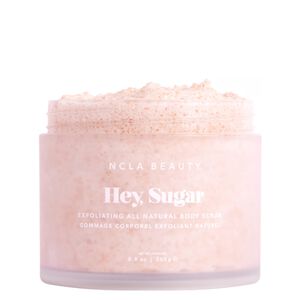 NCLA Beauty Hey, Sugar All Natural Body...NCLA BeautyHey, Sugar All Natural Body...
 Clarins BodycareClarinsBodycare
 NCLA Beauty Hey, Sugar - All Natural...NCLA BeautyHey, Sugar - All Natural...
 Innovatouch Éponge Konjac Extrait de...InnovatouchÉponge Konjac Extrait de...
 baïja Exfoliant MueslibaïjaExfoliant Muesli
 baïja Minuit ChéribaïjaMinuit Chéri
 baïja Lost ParadisebaïjaLost Paradise
 baïja Sieste TropicalebaïjaSieste Tropicale
 Avril Gommage Corps Certifié BioAvrilGommage Corps Certifié Bio
 Pin Up Secret Secret de Soie AttirancePin Up SecretSecret de Soie Attirance
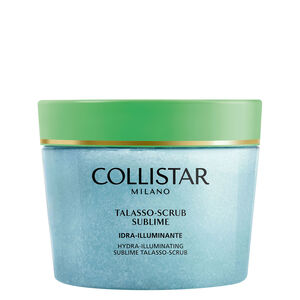 Collistar Hydra-Illuminating Sublime...CollistarHydra-Illuminating Sublime...
 Eau Thermale Jonzac Les IndispensablesEau Thermale JonzacLes Indispensables
 NCLA Beauty Pink ChampagneNCLA BeautyPink Champagne
 Melvita Gommage SilhouetteMelvitaGommage Silhouette
 baïja My Tropic setbaïjaMy Tropic set
 baïja Exfoliant TropicbaïjaExfoliant Tropic
 Merci Handy Coudes et GenouxMerci HandyCoudes et Genoux
 NCLA Beauty Hey, Sugar All Natural Body...NCLA BeautyHey, Sugar All Natural Body...
 Docteur Renaud GrenadeDocteur RenaudGrenade
 The Ordinary Acide Salicylique 0.5%The OrdinaryAcide Salicylique 0.5%
 Payot Rituel DouceurPayotRituel Douceur
 Merci Handy Seins et HanchesMerci HandySeins et Hanches
 Refeel Naturals Under The Milky WayRefeel NaturalsUnder The Milky Way
 Innovatouch Éponge Konjac Aux Coquilles...InnovatouchÉponge Konjac Aux Coquilles...
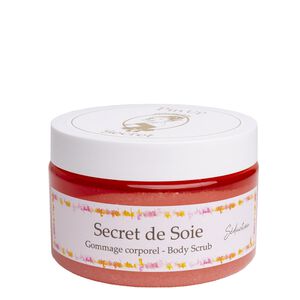 Pin Up Secret Secret de Soie SéductionPin Up SecretSecret de Soie Séduction
 Refeel Naturals Le Sud la NuitRefeel NaturalsLe Sud la Nuit