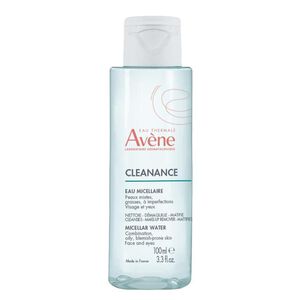
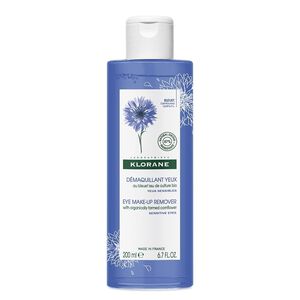
Makeup Remover and Facial Cleanser: Remove makeup, sebum, and impurities
Makeup removers and facial cleansers play a central role in your skincare routine. They help remove makeup, sunscreen, excess sebum, and impurities that build up throughout the day, leaving your skin clean and ready for your next skincare steps. Micellar water, makeup remover oil, cleansing milk, balm, foam, or gel: choose your texture based on your skin type, personal preferences, and the type of makeup you wear. On MyOrigines, discover a selection of makeup removers and cleansers suited for dry, normal, combination, oily, or sensitive skin.
The Main Types of Makeup Removers and Cleansers
Texture
Usage
Desired Profile
Oil or balm
Removes makeup, SPF, and long-lasting formulas
All skin types depending on the formula
Makeup remover milk
Remove makeup with a comfortable texture
Normal to dry skin
Micellar water
Quick makeup removal with a cotton pad
Depending on the formula and skin tolerance
Cleansing gel or foam
Rinse-off cleanser
Normal, combination, or oily skin, depending on the formula
Two-phase makeup remover
Removes waterproof eye and lip makeup
Long-wearing makeup
Makeup-removing oils to dissolve makeup
Makeup-removing oil effectively dissolves pigments, oils, sebum, and many waterproof or long-lasting products. It is generally applied to dry skin, then emulsified with a little water before rinsing. Contrary to popular belief, a cleansing oil can be suitable for combination or oily skin when its formula emulsifies properly and rinses off easily.
Centella Cleansing Oil, Erborian
The Centella Cleansing Oil by Erborian is part of the brand’s K-beauty lineup, with a formula centered primarily around Centella asiatica. Its oily texture dissolves makeup and impurities while leaving the skin feeling comfortable after rinsing.
Cleansers for Combination to Oily Skin
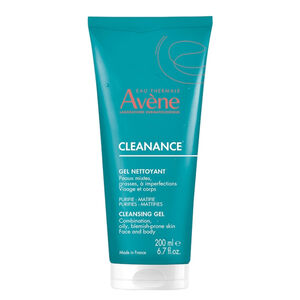
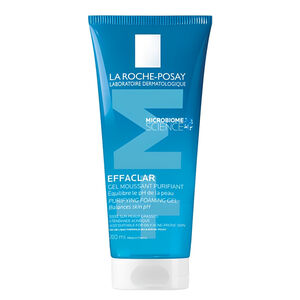
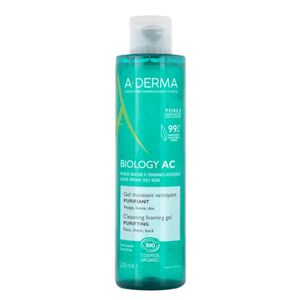
Those with combination to oily skin may prefer a cleansing gel or foam formulated to remove excess sebum without stripping the skin. Overly aggressive cleansing can increase feelings of discomfort. It is therefore best to look for a formula suited to your skin type rather than focusing solely on a very degreasing effect.
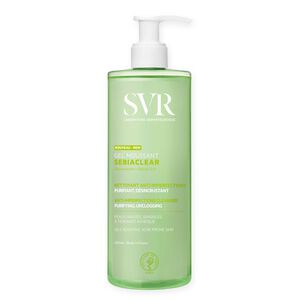
SVR Sebiaclar Foaming Gel
The SVR Sebiaclar Foaming Gel is designed for skin prone to breakouts and excess sebum. Its cleansing formula helps remove impurities and excess sebum from the skin. This type of cleanser can be used as part of a skincare routine for combination to oily skin, provided it feels comfortable after rinsing and does not cause a persistent tightness.
Makeup-removing milks for dry skin
Makeup remover milk has a richer texture than gels or foams and can be particularly soothing for dry or sensitive skin. It removes makeup while minimizing the feeling of dryness after cleansing. Depending on the product, it can be removed with a cotton pad or rinsed off with water.
Velvet Makeup Remover Milk, Avène
The Avène Velvet Makeup Remover Milk is designed to cleanse and remove makeup with a gentle, comfortable texture. This type of formula is particularly suitable for those seeking a less foaming cleanser that prioritizes comfort for normal to dry skin.
Micellar Waters for Quick Makeup Removal
Micellar water contains cleansing agents organized into micelles that capture impurities and makeup. It is typically used with a cotton pad and is a convenient solution for quick makeup removal. Those with sensitive skin should not automatically avoid micellar water: tolerance depends on the formula, the type of surfactants, and how the product is used. If the skin feels tight or tingly, rinsing or using a different texture may be preferable.
Removing waterproof makeup
Waterproof or long-wearing makeup is more resistant to water and often requires a formula rich in oils to be removed without excessive rubbing. A cleansing oil, balm, or two-phase makeup remover is generally more suitable. For the eyes, leave the cotton pad soaked on the lashes for a few seconds before gently sliding the product off to minimize rubbing.
FAQ: Everything You Need to Know About Makeup Removal and Facial Cleansing
Why Use a Makeup Remover?
It removes makeup, sunscreen, sebum, and residue from the skin before applying your evening skincare routine.
What’s the difference between a makeup remover and a facial cleanser?
Makeup remover is primarily designed to dissolve makeup and stubborn products, while a cleanser is more effective at removing sebum, sweat, and residue from the skin. Some products can serve both purposes.
Which makeup remover should you choose for dry skin?
An oil, milk, or balm may be a good choice to minimize feelings of tightness. Above all, choose a formula that leaves the skin feeling comfortable after use.
Which cleanser should you choose for oily skin?
A gel or a light foam may be suitable, as long as it doesn’t strip the skin. Oily skin doesn’t need to be over-cleansed.
Can people with sensitive skin use micellar water?
Yes, if the formula is well-tolerated. However, some people with sensitive skin may prefer to rinse off the micellar water or use a cleansing milk or oil if they experience a stinging or tightening sensation.
What makeup remover should I use for waterproof makeup?
An oil, balm, or two-phase makeup remover is generally best suited for dissolving waterproof formulas without excessive rubbing.
Should you double-cleanse every night?
Not necessarily. It can be beneficial after wearing makeup or a long-lasting sunscreen, but a single cleanser may be sufficient when the skin isn’t heavily laden with products.
Can you use the same oil twice for double cleansing?
That’s essentially repeating the same cleansing step. Traditional double cleansing combines two different types of formulas: an oil-based phase followed by a water-based cleanser.
Is a makeup-removing oil suitable for oily skin?
Yes. A properly formulated oil can be rinsed off without leaving a heavy film and can be used on oily or blemish-prone skin.
Should you cleanse your face in the morning?
It depends on your skin type and routine. Gentle cleansing can help remove excess sebum and residue from the night before, but those with very dry or sensitive skin may prefer a lighter routine.
Should you rinse off micellar water?
It depends on the product and your skin’s tolerance. Some micellar waters are formulated to be leave-on, but rinsing may improve comfort if you have sensitive skin or if you notice any residue.
How do you remove eye makeup without damaging your eyelashes?
Soak a cotton pad with a suitable makeup remover, place it on your closed eyes for a few seconds, then gently wipe it away. Avoid repeated back-and-forth motions.
Can the cleanser cause tightness?
Yes, especially if the formula is too harsh for your skin or if you’re cleansing too frequently. A persistent tight feeling indicates that a gentler formula may be preferable.
In what order should you use makeup remover, cleanser, and lotion?
In the evening, start with makeup remover if necessary, follow with the cleanser, and then apply your lotion or toner—if desired—before the serum and moisturizer.
Makeup Removers and Cleansers on MyOrigines
On MyOrigines, discover a selection of makeup removers and facial cleansers suitable for all skin types: oils, milks, micellar waters, gels, foams, and products designed for long-lasting or waterproof makeup. Complete your routine with our exfoliators and peels, our lotions and toners and our face masks.

 Biotherm BiosourceBiothermBiosource
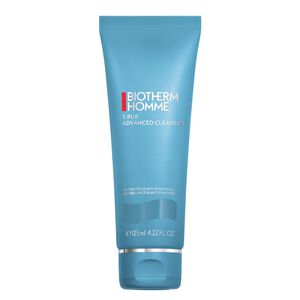 Biotherm T-PurBiothermT-Pur
 lancôme Bi-FacillancômeBi-Facil
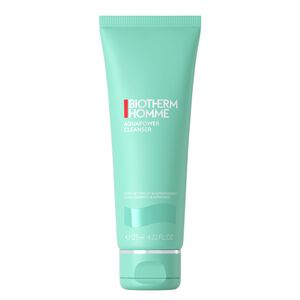 Biotherm AquapowerBiothermAquapower
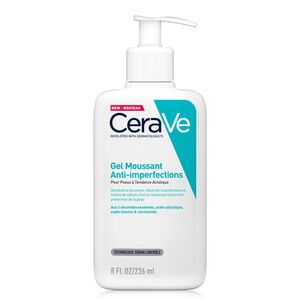 Cerave Anti-ImperfectionsCeraveAnti-Imperfections
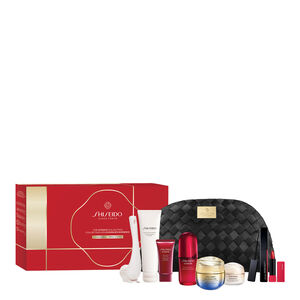 Shiseido Collection les IconiquesShiseidoCollection les Iconiques
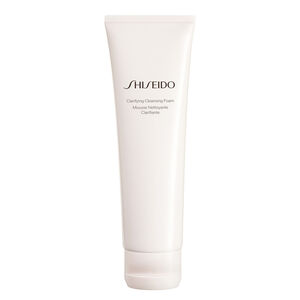 Shiseido Clarifying Cleansing FoamShiseidoClarifying Cleansing Foam
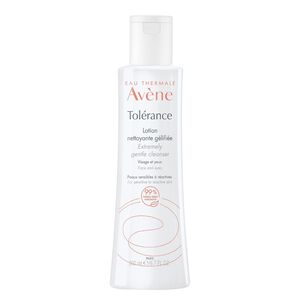
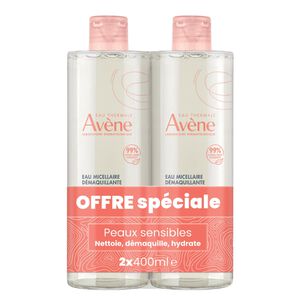 Avène Les essentiels - Visage...AvèneLes essentiels - Visage...
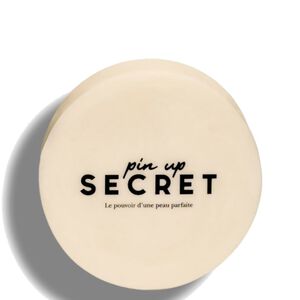 Pin Up Secret Secret Teint PrécieuxPin Up SecretSecret Teint Précieux
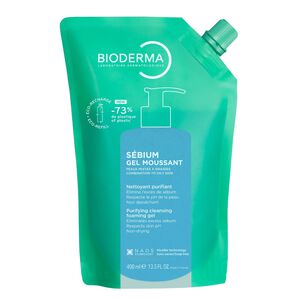 Bioderma SébiumBiodermaSébium
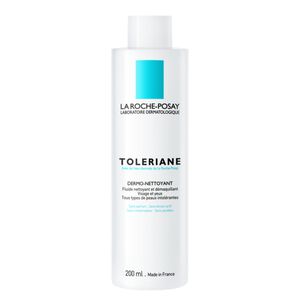
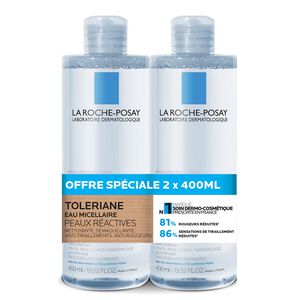 La Roche-Posay TolerianeLa Roche-PosayToleriane
 Nuxe Very RoseNuxeVery Rose
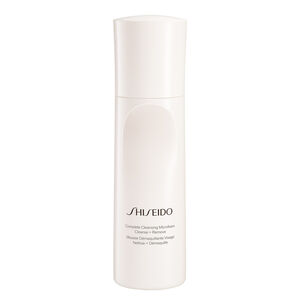 Shiseido Complete Cleansing Microfoam...ShiseidoComplete Cleansing Microfoam...
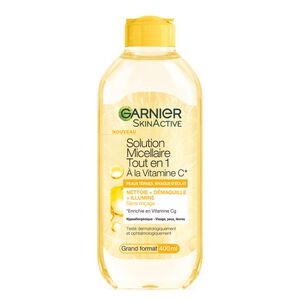 Garnier Skin ActiveGarnierSkin Active
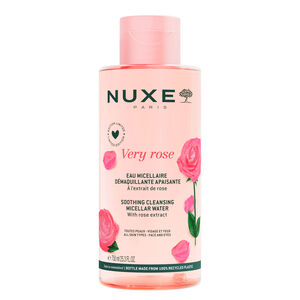 Nuxe Very RoseNuxeVery Rose
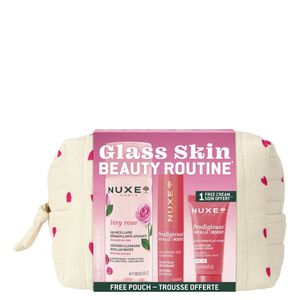 Nuxe Glass Skin Beauty RoutineNuxeGlass Skin Beauty Routine
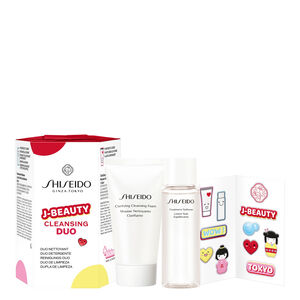 Shiseido J-Beauty Cleansing DuoShiseidoJ-Beauty Cleansing Duo