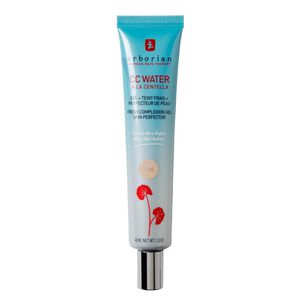
Facial moisturizer: maintain skin comfort and balance
Moisturizers help retain water in the skin’s outer layers and maintain its comfort day to day. Whether it’s a cream, serum, gel, or balm, textures vary depending on skin type, the season, and the level of nourishment desired. These products may contain active ingredients such as hyaluronic acid, glycerin, niacinamide, panthenol, or thermal spring water. Their role is to help the skin stay supple, comfortable, and visibly more radiant, without the need for multiple steps. On MyOrigines, discover a selection of facial moisturizers suited for dry, normal, combination, oily, or sensitive skin.
The Main Types of Moisturizers
Type of Product
Texture
Primary Need
Serum
Fluid or gel
Hydration and suppleness
Gel-cream
Light and refreshing
Normal, combination, or oily skin
Cream
Light to rich
Everyday comfort
Balm
Rich and Nourishing
Dry or sensitive skin
Serums to hydrate the skin
Serums containing hyaluronic acid, glycerin, or other humectants provide a light, initial layer of care before applying cream. They are particularly suitable when the skin lacks suppleness or shows fine lines caused by dehydration, including on combination or oily skin.
Hydrance Boost, Avène
The Avène Hydrance Boost Serum has a light, refreshing water-gel texture that easily fits into a daily routine. Its formula contains humectants designed to improve the skin’s suppleness and comfort without a heavy finish.
Facial Moisturizers
A moisturizer provides both water-retaining agents and ingredients that help limit water loss. It can be used alone or after a serum, depending on the skin’s needs. The texture may be lighter for combination or oily skin and richer for dry or uncomfortable skin.
DayWear, Estée Lauder
The Estée Lauder’s DayWear Cream combines hydration and antioxidant active ingredients in a formula designed for daily use. It is suitable for skin types seeking both comfort and protection against environmental oxidative stress.
Moisturizing treatments for the eye area
The eye area is delicate and can quickly show signs of dehydration. A specialized treatment helps maintain the suppleness of this area and makes fine lines caused by dehydration less visible.
Hydraphase Intense Eyes, La Roche-Posay
The Hydraphase Intense Eye by La Roche-Posay combines hyaluronic acid and thermal spring water in a treatment designed for the eye area. It fits into a routine designed to improve comfort and suppleness in this area without using a texture that’s too rich.
Lip moisturizers
Lips can also suffer from a lack of moisture or lipids. Specific oils, balms, or serums can help improve their comfort and suppleness.
Rêve de Miel, Nuxe
TheNuxe Rêve de Miel Lip-Enhancing Oil combines a nourishing texture with a glossy finish and can be used on dry or uncomfortable lips. It helps restore suppleness and comfort while leaving a luminous finish.
The Most Commonly Used Active Ingredients in Moisturizers
Hyaluronic acid is one of the best-known active ingredients for retaining water in the skin’s outer layers. Glycerin also plays an important role as a humectant. Niacinamide can help support the skin barrier, while panthenol is frequently used in products designed for sensitive skin.
Choosing Skincare Based on Skin Type
Dry skin may benefit from rich creams or balms containing more emollients and lipids. Normal skin can generally opt for a medium-weight cream texture. Combination to oily skin may prefer a gel, a fluid, or a lightweight serum. Oily skin can also lack moisture: producing sebum does not necessarily mean the skin is sufficiently hydrated.
The Difference Between Dry Skin and Dehydrated Skin
Dry skin primarily lacks lipids, while dehydrated skin lacks water. Dehydration can therefore affect all skin types, including oily skin. Dry skin often benefits from richer textures, while dehydrated skin may feel more comfortable with a humectant serum paired with a suitable cream.
The Order of Application for Moisturizing Products
After cleansing and, if desired, applying a toner, generally apply the lightest textures before the richest ones: serum, then cream or balm. There’s no need to wait several minutes between each step. The key is to use appropriate amounts and products that are compatible with one another.
Moisturizing in the Morning and Evening
A moisturizer can be used in the morning and evening if your skin needs it. In the morning, a lightweight texture may feel more comfortable under makeup, while a richer cream may be better suited for dry skin in the evening. Your routine can also change with the seasons: a richer texture in winter and a lighter one when it’s hot.
Hydration and the Skin Barrier
A good skincare routine helps support the skin barrier, which limits water loss and protects the skin from external aggressors. When the skin barrier is compromised, the skin may feel tight, tingly, or become more reactive. Simple, comfortable skincare products rich in humectants or lipid-replenishing agents may be preferable in such cases.
FAQ: Everything You Need to Know About Moisturizers
Which Moisturizer Should I Choose Based on My Skin Type?
Those with dry skin may want to opt for a rich cream or balm, while those with combination to oily skin may prefer a lighter gel, fluid, or serum.
What ingredients should you look for in a moisturizer?
Hyaluronic acid, glycerin, panthenol, and niacinamide are commonly used. Those with dry skin may also benefit from oils, squalane, or ceramides.
What’s the difference between a moisturizer and a serum?
Serums generally have a lighter texture and target a specific need, while moisturizers provide more comfort and help reduce water loss.
Does oily skin need moisturizer?
Yes. Oily skin can still be dehydrated. A lightweight texture helps deliver moisture without feeling heavy.
How can you tell if your skin is dehydrated?
It may feel tight, lack suppleness, or show temporary fine lines, even if it produces sebum.
Can hyaluronic acid be used every day?
Yes, it is generally well-tolerated and can be used daily, morning and night, depending on the formula you choose.
Should you apply a cream after a hyaluronic acid serum?
In most skincare routines, yes. The serum provides humectants, while the cream helps retain that moisture and maintain the skin’s comfort.
Is it possible to over-moisturize your skin?
It’s mostly a matter of using a texture that’s too rich or too many products for your skin type. If your skin feels uncomfortable, looks shiny, or is prone to breakouts, simplify your routine.
Should you switch moisturizers depending on the season?
Not necessarily, but some skin types prefer a richer cream in the winter and a lighter texture in the summer.
Can a moisturizer replace sunscreen?
No, unless it contains an appropriate SPF and is applied in sufficient quantity. When exposed to the sun, a dedicated sunscreen is still preferable.
Moisturizers on MyOrigines
On MyOrigines, discover a selection of facial moisturizers suited to different skin types: serums, gels, creams, balms, and targeted treatments for the eye area or lips. Complete your routine with our anti-aging products and our matifying products.

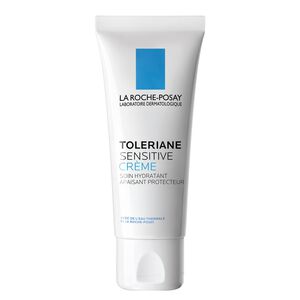 La Roche-Posay Toleriane Sensitive CrèmeLa Roche-PosayToleriane Sensitive Crème
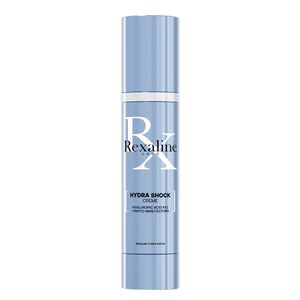 Rexaline HYDRA SHOCKRexalineHYDRA SHOCK
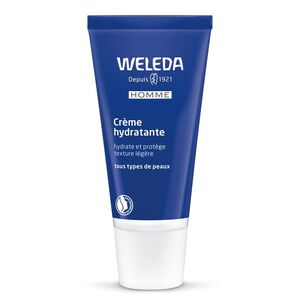 Weleda HommeWeledaHomme
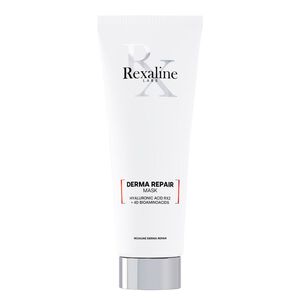 Rexaline DERMA REPAIRRexalineDERMA REPAIR
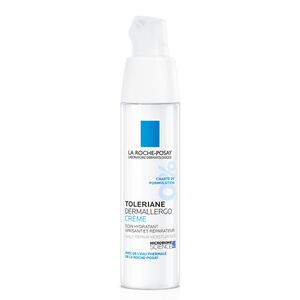 La Roche-Posay Toleriane DermallergoLa Roche-PosayToleriane Dermallergo
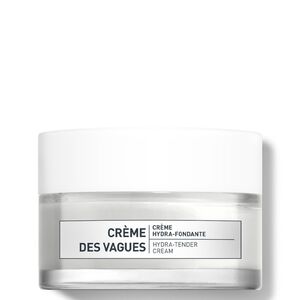 Algologie Crème des VaguesAlgologieCrème des Vagues
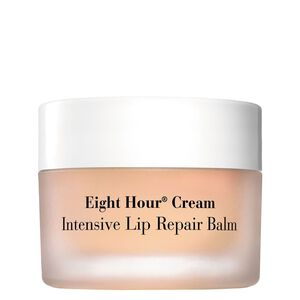 Elizabeth Arden Eight Hour® CreamElizabeth ArdenEight Hour® Cream
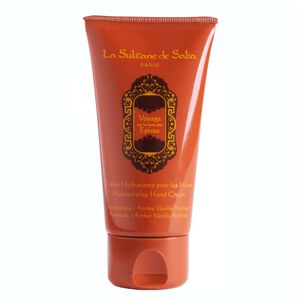 La Sultane de Saba Voyage sur la Route des...La Sultane de SabaVoyage sur la Route des...
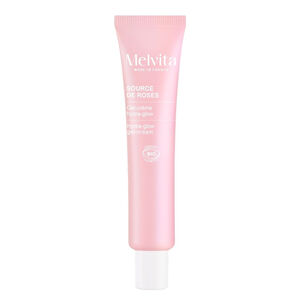 Melvita Source de RosesMelvitaSource de Roses
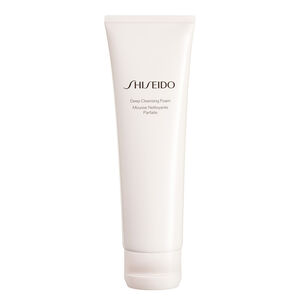 Shiseido Deep Cleansing FoamShiseidoDeep Cleansing Foam
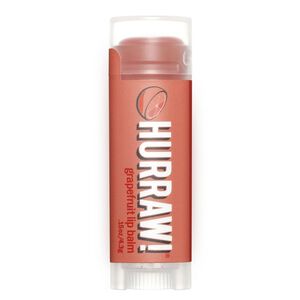 Hurraw PamplemousseHurrawPamplemousse
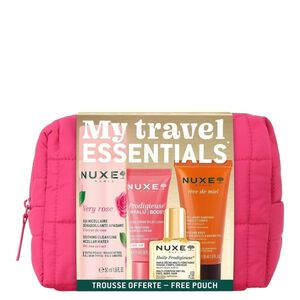 Nuxe My Travel EssentialsNuxeMy Travel Essentials
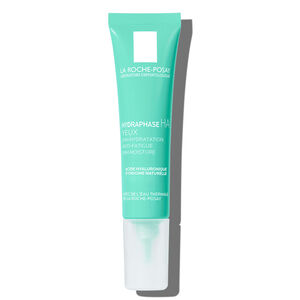 La Roche-Posay Hydraphase HALa Roche-PosayHydraphase HA
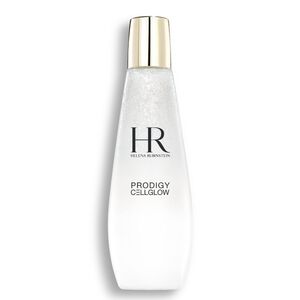 Helena Rubinstein Prodigy CellglowHelena RubinsteinProdigy Cellglow
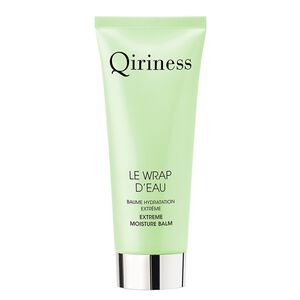 Qiriness Le Wrap d'EauQirinessLe Wrap d'Eau
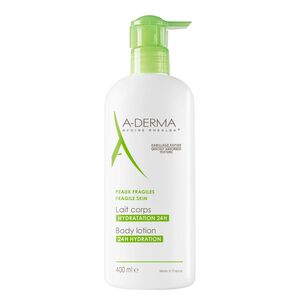 A-Derma Les IndispensablesA-DermaLes Indispensables
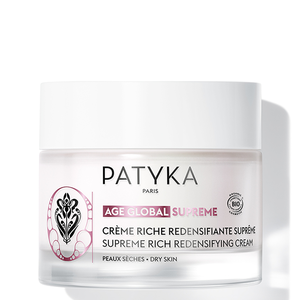 Patyka Âge Global supremePatykaÂge Global supreme
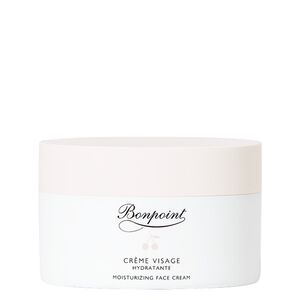 Bonpoint Crème Visage HydratanteBonpointCrème Visage Hydratante
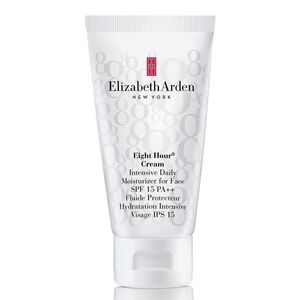 Elizabeth Arden Eight Hour® Cream IPS15Elizabeth ArdenEight Hour® Cream IPS15
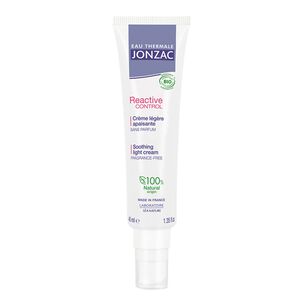 Eau Thermale Jonzac Reactive ControlEau Thermale JonzacReactive Control
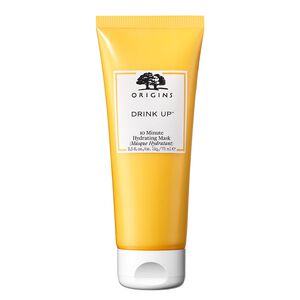 Origins Drink Up™OriginsDrink Up™
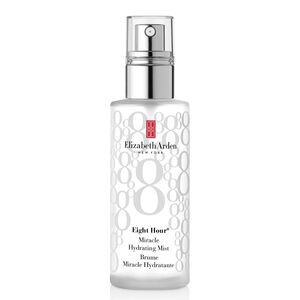 Elizabeth Arden Eight Hour®Elizabeth ArdenEight Hour®