Face Sun Care: Protect Your Skin from UV Rays and Preserve Its Radiance
Face sun care products are essential for protecting your skin from the sun’s effects on a daily basis. UVA and UVB rays can contribute to skin aging, promote the appearance of dark spots, and weaken the skin with repeated exposure. Whether it’s sunscreen, lotion, gel, milk, or spray, sun protection products come in a variety of textures to meet the needs of every skin type. Some formulas offer a matte finish, while others provide hydration or a lightweight feel suitable for use under makeup. On MyOrigines, discover a selection of facial sunscreens with different SPF levels to protect your skin all year round.
The Main Types of Facial Sun Care Products
Type of Protection
Texture
Target Audience
Facial Sunscreen
Comfortable Cream
Normal to dry skin
Sunscreen Fluid
Lightweight and quickly absorbed
Daily use and makeup
Sunscreen gel
Refreshing and non-greasy
Combination to Oily Skin
Sunscreen spray
Mist or fluid lotion
Face and body, quick application
Sunscreen gels for a light, matte finish
Sunscreen gels forthe face are particularly popular for their fresh texture and non-greasy finish. They are suitable for combination to oily skin types seeking comfortable protection without a heavy, filmy feeling. Some new-generation sunscreens combine high SPF protection with lightweight, invisible textures suitable for daily use.
SUN SECURE Extreme SPF50+, SVR
The SUN SECURE Extreme SPF50+ by SVR offers very high sun protection in an ultra-light gel texture. Its matte, non-greasy finish makes it an ideal solution for those seeking comfortable, everyday sun protection.
Facial sunscreens to protect and moisturize
Facial sunscreens combine UV protection with a comfortable application. They may contain moisturizing ingredients to prevent the dryness often associated with sun exposure. The choice of texture depends on skin type: a rich cream is better suited for dry skin, while a lightweight texture is ideal for combination skin.
SPF 50 Facial Sunscreen, Nuxe
The Nuxe SPF50 Face Sunscreen protects the skin during sun exposure while providing a comfortable feel. Its lightweight texture makes it pleasant to apply to the face and easy to incorporate into a summer routine.
Sunscreen sprays for convenient application
Sunscreen sprays allow for quick and even application. They’re particularly convenient when you want to protect multiple areas of the body or easily reapply the product. For the face, always choose a product specifically formulated for this area to address the unique needs of thinner, more sensitive skin.
Sun Protection Spray, Avène
The Avène Sun Protection Spray is designed for sensitive skin and combines sun protection with comfort, thanks in particular to Avène thermal spring water. It can be used on the face and body according to the product instructions.
Facial self-tanners for a sun-kissed look without the sun
Facial self-tanners help achieve a more golden complexion without UV exposure. They work thanks to self-tanning active ingredients that gradually color the skin’s surface. However, they are not a substitute for sunscreen: a self-tanner does not protect against UVA and UVB rays.
Self Tan, Lancaster
The Self Tan by Lancaster helps you achieve a gradual, even tan without sun exposure. For optimal protection, it should be used in combination with appropriate sunscreen when spending time outdoors.
Facial tanning mists
Tanning mists often combine a lightweight texture with a gradual, healthy-glow effect. They allow you to customize the intensity of your tan based on the number of applications. Like traditional self-tanners, they do not necessarily contain sun filters and are not a substitute for SPF protection.
Tea to Tan Face & amp; Body, By Terry
The Tea to Tan Face & amp; Body mist by By Terry provides a natural-looking tan thanks to its lightweight, easy-to-apply formula. It can be part of a summer beauty routine, used in combination with sunscreen when the skin is exposed to the sun.
Why protect your face from the sun all year round?
UVA rays are present year-round, even when temperatures are low or the sky is overcast. They contribute significantly to premature skin aging. Daily sun protection can therefore complement an anti-aging routine and help maintain an even complexion.
The Difference Between UVA and UVB
UVB rays are primarily responsible for sunburn. UVA rays penetrate deeper into the skin and are more closely associated with skin aging. Good sunscreen should therefore provide broad-spectrum protection against both types of rays.
What SPF Should You Choose for Your Face?
The SPF rating indicates the level of protection against UVB rays. SPF 50 is generally recommended for fair or sensitive skin, or during prolonged sun exposure. The choice also depends on the environment: the beach, the mountains, extended outdoor activities, or simply everyday use in the city.
Facial sunscreen under makeup
Sunscreen can be applied as the final step in your skincare routine, before makeup. Lightweight or fluid textures are often preferred to avoid a heavy feeling under foundation, BB cream, or powder.
Reapplying Sunscreen
To maintain effective protection, it is recommended to reapply sunscreen during prolonged sun exposure, especially after swimming, heavy sweating, or wiping your face. The amount applied also affects the actual level of protection achieved.
FAQ: Everything You Need to Know About Facial Sunscreen
Why Use Facial Sunscreen?
Sunscreen helps protect the skin against UVA and UVB rays, which are responsible for sunburn, skin aging, and certain dark spots.
What SPF should you choose for your face?
SPF 50 is generally recommended for fair or sensitive skin, or during periods of intense sun exposure. The choice also depends on the duration and intensity of exposure.
Should you apply sunscreen every day?
Daily use can be beneficial, particularly to limit repeated exposure to UVA rays, which cause skin aging.
What is the difference between UVA and UVB?
UVB rays are primarily responsible for sunburn, while UVA rays penetrate deeper into the skin and contribute to skin aging.
Does SPF 50 sunscreen prevent tanning?
No. Sunscreen limits UV-related damage but does not necessarily prevent tanning. A tan develops gradually as the skin produces melanin.
Does a self-tanner protect against the sun?
No. A self-tanner colors the skin but does not necessarily contain UVA and UVB filters. It should always be used in combination with sunscreen when exposed to the sun.
Can you use facial sunscreen under makeup?
Yes. Apply it after your skincare routine and let it absorb before applying your makeup.
What sunscreen texture should you choose for oily skin?
Lightweight gels and fluids with a matte or non-greasy finish are often preferred by those with combination to oily skin.
What sunscreen should you use for sensitive skin?
Opt for a well-tolerated formula designed for sensitive skin, with a comfortable texture and soothing ingredients tailored to your skin’s needs.
Should you apply sunscreen in the winter?
UVA rays are present year-round. Protection can therefore be useful on a daily basis, particularly as part of a routine focused on preventing skin aging.
How long after application should you wait before going out in the sun?
Follow the product instructions. In general, apply the sunscreen before sun exposure to allow time for the formula to form an even layer on the skin.
Do you need to reapply sunscreen?
Yes, especially during prolonged sun exposure, after swimming, heavy sweating, or wiping your face.
Facial sunscreen products on MyOrigines
On MyOrigines, discover a selection of facial sun care products: SPF creams, gels, lotions, sprays, and self-tanners to complement your beauty routine all year round. Also discover our other skincare selections, such as natural skincare products and our skincare accessories.

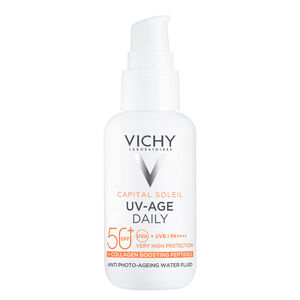 Vichy Capital Soleil SPF50+VichyCapital Soleil SPF50+
 Vichy Capital Soleil UV-Aqua SPF50...VichyCapital Soleil UV-Aqua SPF50...
 Vichy Capital Soleil UV-Aqua SPF50...VichyCapital Soleil UV-Aqua SPF50...
 Vichy Capital Soleil SPF50+VichyCapital Soleil SPF50+
 Eucerin Sun Oil Control SPF50+EucerinSun Oil Control SPF50+
 Eucerin Pigment Control Sun SPF50+EucerinPigment Control Sun SPF50+
 Isdin Eryfotona SPF100+IsdinEryfotona SPF100+
 Isdin Fusion Water MagicIsdinFusion Water Magic
 Isdin Magic RepairIsdinMagic Repair
 Isdin Fusion Water Color MediumIsdinFusion Water Color Medium
 Avène Cleanance SPF 50+AvèneCleanance SPF 50+
 Eucerin Sun Protection SPF50+EucerinSun Protection SPF50+
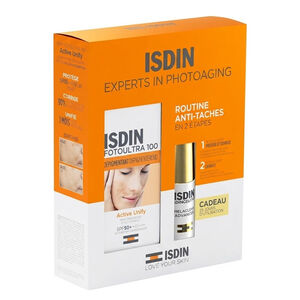 Isdin Routine Anti-TachesIsdinRoutine Anti-Taches
 Isdin Active Unify ColorIsdinActive Unify Color
 Eucerin Sun Photoaging Control SPF50...EucerinSun Photoaging Control SPF50...
 Isdin Age Repair ColorIsdinAge Repair Color
 Avène Protection SolaireAvèneProtection Solaire
 Avène Crème Teintée SPF 50+AvèneCrème Teintée SPF 50+
 Paalm Cosmetics VanillaPaalm CosmeticsVanilla
 Isdin Fusion Water Magic GlowIsdinFusion Water Magic Glow
 Avène Fluide Teintée SPF50+AvèneFluide Teintée SPF50+
 Isdin Fotoprotector SPF 50IsdinFotoprotector SPF 50
 Isdin Active UnifyIsdinActive Unify
 Eucerin Sensitive Protect SPF50+EucerinSensitive Protect SPF50+


