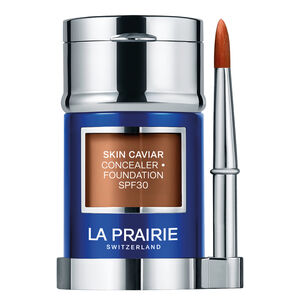
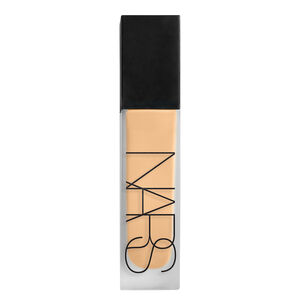
Foundation: find the formula that’s right for your skin
Foundation evens out the skin tone, visually minimizes imperfections, and lets you choose your desired finish: natural, matte, luminous, or full coverage. Whether liquid, powder, compact, cream, or stick, each texture meets different needs depending on your skin type and the desired result.
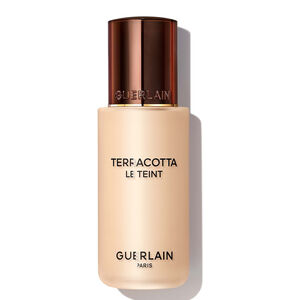
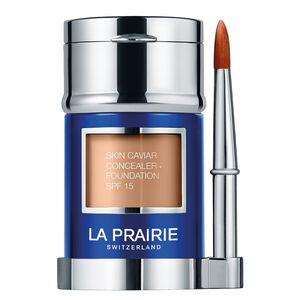
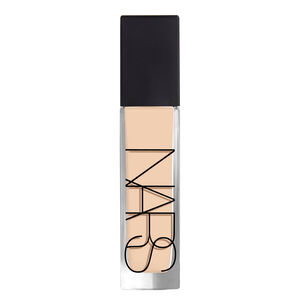
On MyOrigines, discover a selection of foundations from leading beauty brands such as Guerlain, Estée Lauder, Dior, Lancôme, and L’Oréal. From Guerlain’s Terracotta Le Teint to Estée Lauder’s Double Wear, a variety of textures, shades, and coverage levels allow you to find the formula best suited to your skin tone and makeup routine.
The main types of foundation
Texture
Coverage
Particularly suitable for
Liquid foundation
Light to full coverage depending on the formula
All skin types
Powder foundation
Light to medium
Combination to Oily Skin
Compact foundation
Light to medium
Touch-ups and quick application
Stick foundation
Medium to full
Targeted touch-ups and buildable coverage
Cream foundation
Medium to full
Normal to dry skin, depending on the formula
Different foundation finishes
The finish greatly influences the makeup result. Amattefoundation visually reduces shine and works well for combination to oily skin. A luminous or “glowy” finish adds more radiance and can flatter dry, normal, or mature skin. The natural or “second-skin” finish falls somewhere in between: it evens out the complexion without looking too matte or too dewy. The satin finish, on the other hand, offers a subtle glow while remaining understated.
Foundation by Skin Type
Dry skin: opt for a liquid or cream formula with a comfortable texture and moisturizing ingredients. A luminous or satin finish generally helps avoid visually emphasizing dry areas.
Oily skin: a matte, long-wear, or transfer-resistant foundation can help minimize shine throughout the day.
Combination skin: a buildable liquid formula is often a good compromise. You can also apply powder only to the T-zone.
Normal skin: most textures should work well. The choice depends mainly on the desired level of coverage and finish.
Sensitive skin: check the ingredients and product instructions. You may want to look for a fragrance-free formula if your skin reacts easily.
Mature skin: generally opt for fluid, supple textures with light to medium coverage. Formulas that are too thick or excessively powdery may accentuate fine lines.
The Different Levels of Coverage
Light coverage evens out the skin while allowing its natural texture to show through. It’s suitable for people who simply want to even out their complexion.
Medium coverage provides greater correction for redness and minor imperfections while maintaining a natural finish. It’s one of the most versatile options for everyday use.
The full coverage provides greater concealment of visible irregularities and imperfections. A buildable formula allows you to adjust the coverage depending on the area of the face and the occasion.
Foundations on MyOrigines
On MyOrigines, discover a selection of foundations in various textures: liquid, powder, compact, stick, or cream. Compare shades, coverage, finish, and price to choose a formula suited to your skin.
Guerlain, Estée Lauder, Dior, Lancôme, L’Oréal, and other major makeup brands offer products designed for different needs, from long-wear foundation to luminous foundation or second-skin effect foundation.
Also discover our entire complexion makeup line to complete your routine with powder, blush, concealer, or application tools.
FAQ: Everything You Need to Know About Foundation
Which foundation should you choose for dry skin?
Opt for a fluid or cream texture with a natural, satiny, or luminous finish. A formula containing moisturizing agents like hyaluronic acid can also enhance comfort.
Which foundation should you choose for oily skin?
A matte or long-wear foundation is generally best. A light powder on the T-zone can also help control shine.
Which foundation should you choose for mature skin?
Light, fluid, and supple textures are often the most flattering. Light to medium coverage and a luminous or satin finish help even out the complexion without emphasizing fine lines too much.
What level of coverage should you choose for a natural look?
Light or medium coverage is generally best. Buildable foundations allow you to apply more product only to the areas that need extra coverage.
How do you choose the right foundation shade?
Test the shade on your jawline and, if possible, view it in natural light. The right shade should blend seamlessly with your face and neck without creating a visible line.
How to identify your undertone?
An undertone can be cool, warm, or neutral. Rather than relying on a single clue, such as the color of your veins, compare several shades directly on your skin to identify the one that blends best with your skin tone.
Should you apply foundation with a brush or a sponge?
Both methods work well. A brush generally provides more coverage and precision, while a damp sponge creates a more blended, natural finish.
Does foundation with SPF replace sunscreen?
Not necessarily. To achieve the advertised level of protection, you would often need to apply more foundation than you normally would. A dedicated sunscreen is therefore still preferable.