-
-
-
-
-
Catrice Under Eye Brightener...CatriceUnder Eye Brightener...
Illuminating Eye Contour...
€ 4,45
-
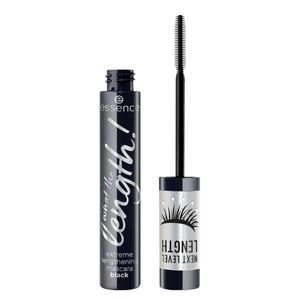 Essence What The Length!EssenceWhat The Length!
Length and Precision...
€ 4,55
-
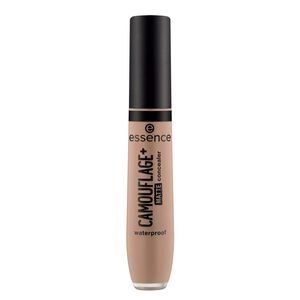
Essence Camouflage+ MatteEssenceCamouflage+ Matte
Waterproof High-Coverage...
€ 3,68
-
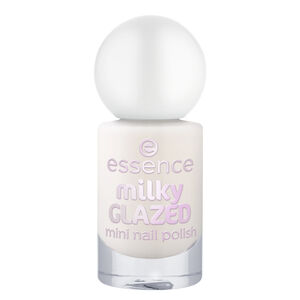 Essence Milky GlazedEssenceMilky Glazed
Mini Milky Finish Nail...
€ 1,44
-
-
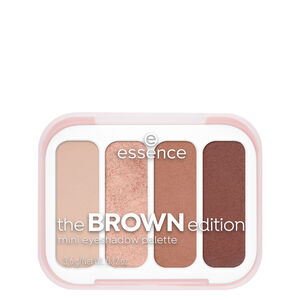
Essence The Edition Mini Eyeshadow...EssenceThe Edition Mini Eyeshadow...
Intense Color Eyeshadows,...
€ 4,26
-
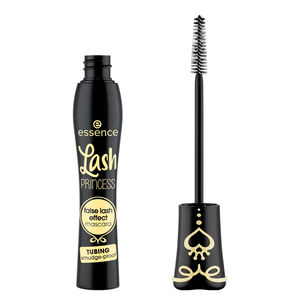 Essence Lash Princess False Lash...EssenceLash Princess False Lash...
False Lash Effect Mascara,...
€ 4,12
-
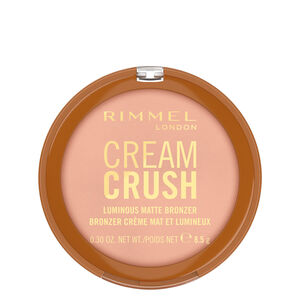
Rimmel Cream CrushRimmelCream Crush
Luminous Matte Bronzer
€ 11,75
-
-
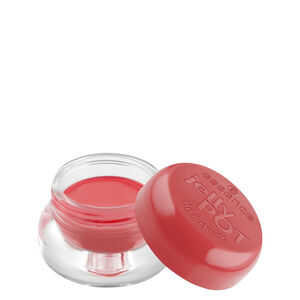
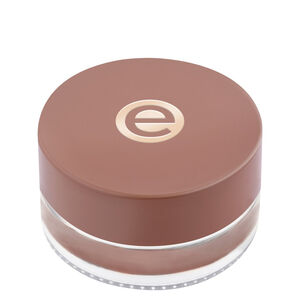
Essence Jelly Pot Lip & CheekEssenceJelly Pot Lip & Cheek
Multifunction Blush Parfum...
€ 3,72
-
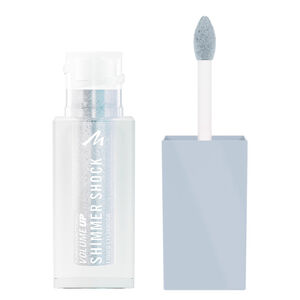
Rimmel Volume Up Shimmer ShockRimmelVolume Up Shimmer Shock
Iridescent Liquid Eyeshadow...
€ 11,45
-
-
-
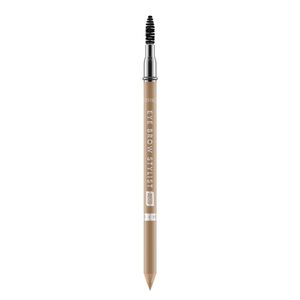
Catrice Eye Brow StylistCatriceEye Brow Stylist
Waterproof Eyebrow Pencil
€ 2,97
-
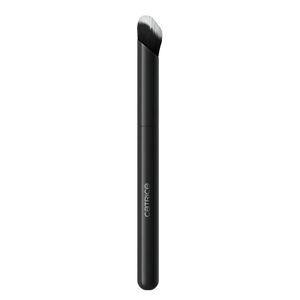 Catrice Under Eye ConcealerCatriceUnder Eye Concealer
Precision Corrector Brush
€ 3,96
-
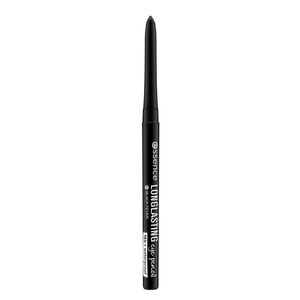
Essence Long-Lasting Eye PencilEssenceLong-Lasting Eye Pencil
Long-Lasting eye pencil
€ 1,94
-
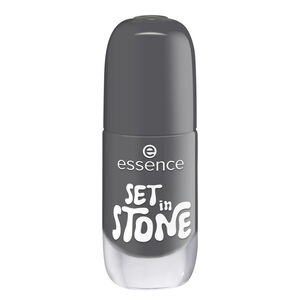 Essence Gel Nail PolishEssenceGel Nail Polish
Quick-Dry Glossy Nail...
€ 1,90
-
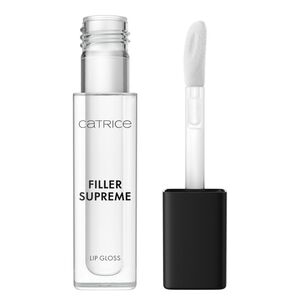
Catrice Filler SupremeCatriceFiller Supreme
Long-Lasting Plumping Gloss
€ 3,96
-
-
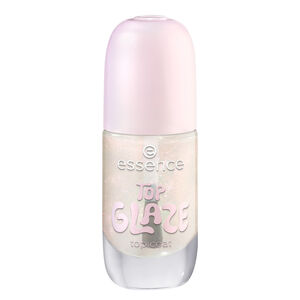 Essence Top GlazeEssenceTop Glaze
Pearlescent Pink Top Coat 8...
€ 2,10
-
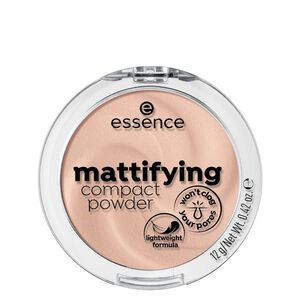
Essence Mattifying Compact PowderEssenceMattifying Compact Powder
Mattifying Compact Powder
€ 3,56
-
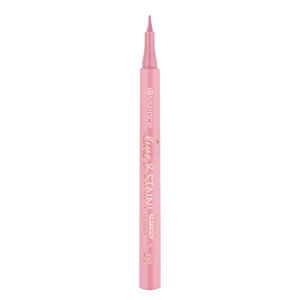 Essence Line & Stain! Tattoo Lip...EssenceLine & Stain! Tattoo Lip...
Long-Lasting Tattoo-Effect...
€ 2,51
-
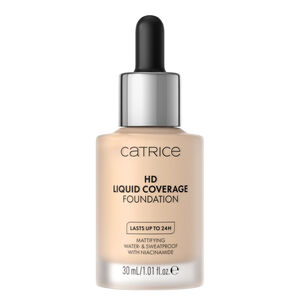
Catrice Hd Liquid Coverage...CatriceHd Liquid Coverage...
High-Coverage Liquid...
€ 7,92
-
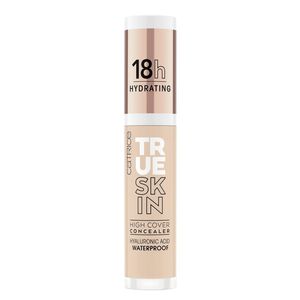
Catrice True Skin High Cover...CatriceTrue Skin High Cover...
High-Coverage Matte Finish...
€ 4,65
-
-
-
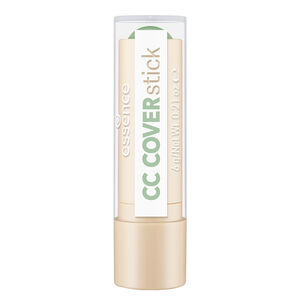
Essence CC CoverstickEssenceCC Coverstick
Matte Finish Concealer Stick...
€ 2,43
-
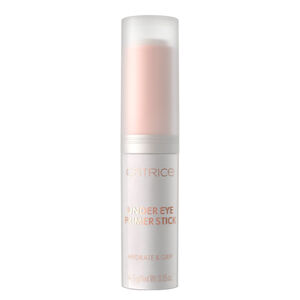 Catrice Under Eye Primer StickCatriceUnder Eye Primer Stick
Moisturizing Eye Contour...
€ 5,36
-
-
-
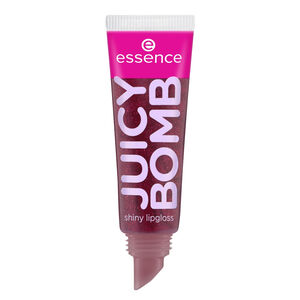
Essence Juicy Bomb ShinyEssenceJuicy Bomb Shiny
Ultra-Shiny Lip Gloss 10 ml
€ 1,68
-
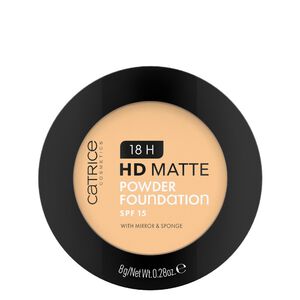
Catrice 18h Hd Matte Powder...Catrice18h Hd Matte Powder...
Long-Lasting Powder...
€ 6,93
-
Essence Cream EyeshadowEssenceCream Eyeshadow
Creamy Matte Eyeshadows
€ 4,00
-
-
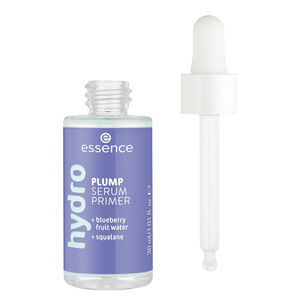 Essence Hydro PlumpEssenceHydro Plump
Plumping Serum Primer...
€ 5,23
-
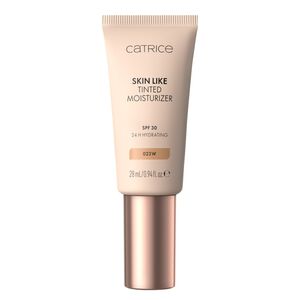
Catrice Skin Tinted MoisturizerCatriceSkin Tinted Moisturizer
Tinted Moisturizing Care...
€ 4,95
-
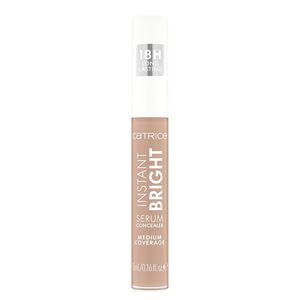
Catrice Instant Bright Serum...CatriceInstant Bright Serum...
Lightening Concealer Medium...
€ 4,45
-
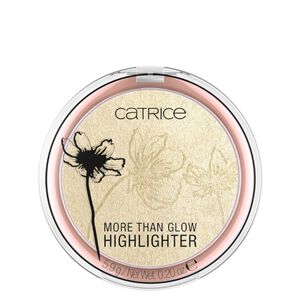
Catrice More Than Glow HighlighterCatriceMore Than Glow Highlighter
Intense and Modular...
€ 4,95